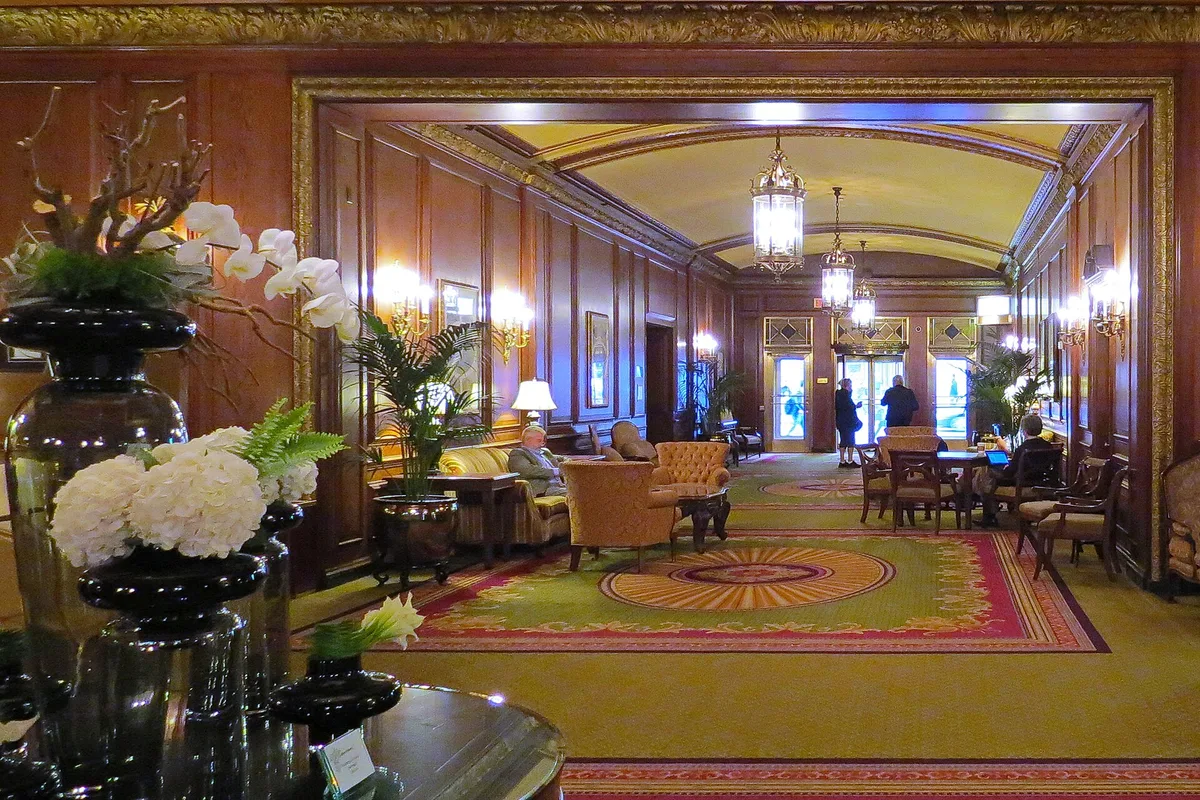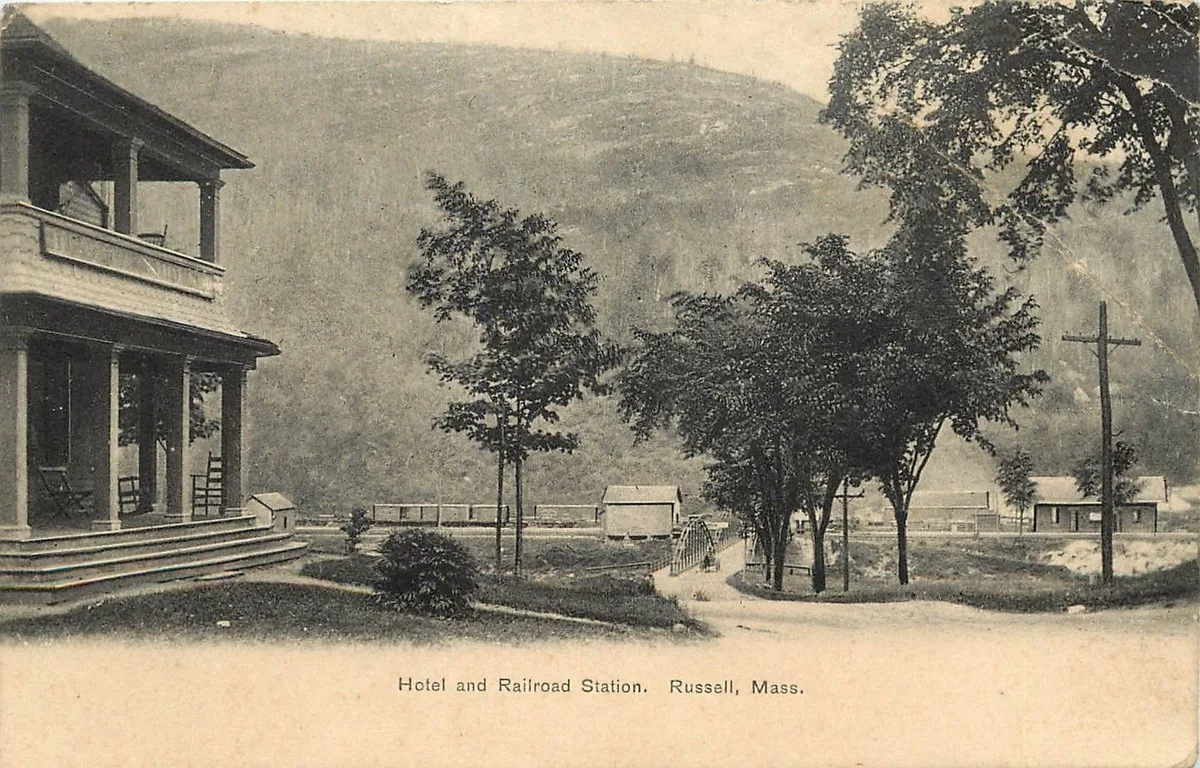
For in-state travelers, the hotels in Massachusetts that feel most like a getaway share one trait: the setting does the work. A lodge in the Berkshires, a quiet inn on Cape Cod, or a classic hotel in Boston can all deliver a change of scenery within a two- or three-hour drive. The right choice depends on the season, the budget, and whether the trip is meant to be restful or urban.
This guide moves region by region — the Berkshires, Cape Cod, and Boston — and explains what each does well, when each is worth the drive, and how to book well. Selection thinking throughout favors location, walkability, and honest pricing over star ratings, because a getaway is judged by the morning after, not the lobby chandelier.
Start with our broader hotels coverage if the trip extends beyond Massachusetts; the same booking logic applies in most US cities.
What this means: a getaway is a setting, not a star rating
A property can be well-run and still feel like a business trip. What separates a getaway hotel from an ordinary one is usually the view from the window, the walk to breakfast, and the absence of noise at night. Those are setting questions first and service questions second.
That is why region matters more than brand in Massachusetts. The state compresses three distinct settings into a small area: mountain towns in the west, a national-seashore coastline in the east, and a dense walkable capital in the middle. A traveler who names the setting first can then compare properties on price and practicality, rather than scrolling through listings that all look alike. Our piece on hotel location versus price walks through that trade in detail. Readers following this should also see Hotel Location Versus Price: How to Trade One Against the Other.
The Berkshires: lodges, culture, and shoulder-season value
The western corner of the state is Massachusetts's classic escape. Towns such as Lenox, Stockbridge, and Great Barrington sit among hills rather than skyline, and the hotel stock leans toward former estates, country inns, and a handful of larger resorts. Many properties sit on grounds with trails or pools, so the stay itself fills a day without a car.
Two practical notes shape a Berkshires booking. First, the region's cultural calendar — summer music festivals and fall foliage among them — concentrates demand into short, predictable windows, so rates swing widely by weekend. Booking midweek or in the shoulder months between those peaks is generally the cheaper route. Second, distances between towns are real: a traveler set on a specific concert or trailhead should treat drive time as a selection criterion, not an afterthought.
For travelers weighing a smaller independent property against a familiar flag, our comparison of a boutique hotel or star-rated chain explains what the difference typically buys — and in the Berkshires, the independent properties are often the ones with the grounds and the history.
Cape Cod and the islands: book early, and mind the season
Cape Cod runs on a short, intense season. Motels, family resorts, and bed-and-breakfasts cluster along Route 28 and the Route 6 corridor, and the quietest-feeling stays are usually the smaller inns set back from the main roads, a short drive or bike ride from the National Seashore beaches. On Martha's Vineyard and Nantucket, the same pattern holds at higher prices.
The booking reality is the qualification that matters here. Summer weekends on the Cape sell out well in advance, and last-minute choices shrink to whatever remains rather than what suits. Travelers with flexible dates do better in June or September, when the weather is still beachworthy and the roads are calmer. A room facing the water commands a premium in every season; deciding in advance whether the view or the budget leads, and reading what a hotel view actually guarantees, prevents the most common Cape booking disappointment.
Boston and the cities: the urban getaway, done properly
A getaway does not require leaving the city. A well-chosen Boston hotel — in Back Bay, the Seaport, or along the waterfront — turns a one-night stay into a break: walkable dinners, a museum morning, no driving. The same logic applies, at smaller scale, in Worcester, Springfield, and the college towns of the Pioneer Valley.
The operational details decide whether an urban stay feels restful. Street-facing rooms on busy corridors carry traffic noise; requesting a courtyard or higher-floor room at booking costs nothing and changes the night. Travelers driving in should confirm parking terms before reserving, since city hotels often charge for it separately. And for a short stay, a rate with breakfast included can pay off by removing one morning decision entirely. We covered a connected angle in The Quiet Side of the Block: How to Find Hotels Away From Street Noise Before You Book.
Practical steps: how to book a Massachusetts getaway well
Timing data can help more than deal-hunting. According to KAYAK, prices across US stays have tended to remain below their average up to two weeks before check-in, and the cheapest month to book a domestic stay has been January — patterns worth knowing when planning a Berkshire weekend or an off-season Cape trip.
A short checklist covers the rest:
- Name the setting first. Mountains, coast, or city — decide before comparing properties, and the shortlist shrinks on its own.
- Check the season against the calendar. Berkshires peaks follow foliage and festivals; the Cape peaks in July and August. Shifting dates by a week often moves the price more than switching hotels.
- Ask the room questions early. Floor, orientation, and noise matter as much here as anywhere; our guide to choosing the actual room within the hotel applies to inns as much as to city towers.
- Confirm what the rate includes. Parking, resort charges, and breakfast terms vary widely by property type, and the sticker rate rarely tells the whole story.
One more operational note from the lodging side: smaller inns often run with minimal overnight staffing, so a traveler arriving very late should arrange it in advance rather than assume a 24-hour desk. Our explainer on arranging a late hotel check-in covers how to do that cleanly.
The takeaway: match the region to the reason
The evidence for a good Massachusetts getaway is unglamorous: the right region, the right dates, and a room chosen for how it will actually be used. The Berkshires reward travelers who want grounds, culture, and quiet; the Cape rewards those who book early and accept the season's terms; Boston rewards a single well-located night. None of these requires a splurge to succeed — only a decision about the setting made before the scrolling starts.
What remains unknown is any specific property's current rates and availability, which change constantly and should be checked at booking time against the traveler's own dates. The regions, the seasonality, and the booking logic above are the durable part of the decision.