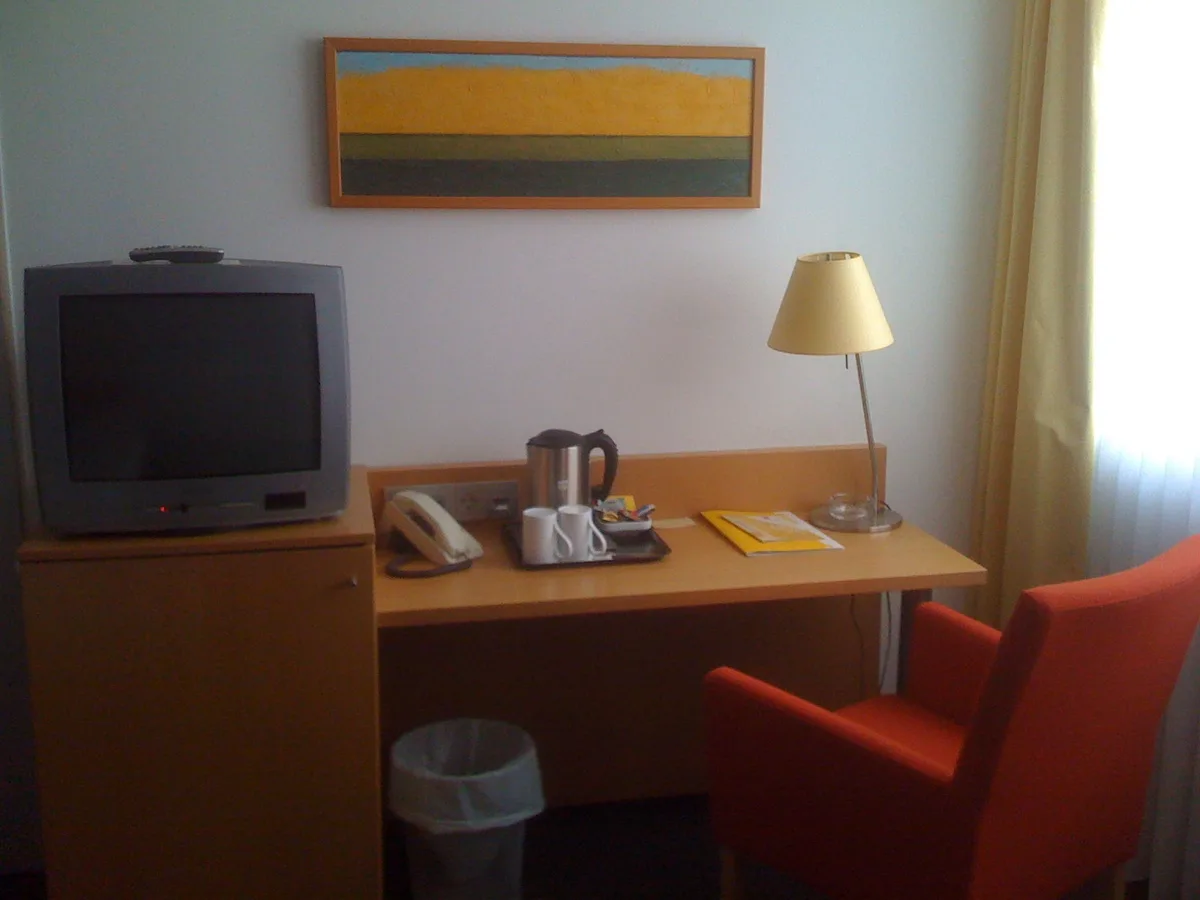
Accessible Hotel Rooms: What to Verify Before You Book
A reservation marked accessible confirms very little. These are the questions that separate a room that works from one that merely carries the label.
Hotel coverage organized by location: which district suits which kind of trip, walking and transit times to the places on your list, street noise, room size, breakfast, seasonal nightly rates and luggage storage on checkout day. For travelers who treat the address as a hotel's most important feature.
Where to stay in a city.
A reservation marked accessible confirms very little. These are the questions that separate a room that works from one that merely carries the label.
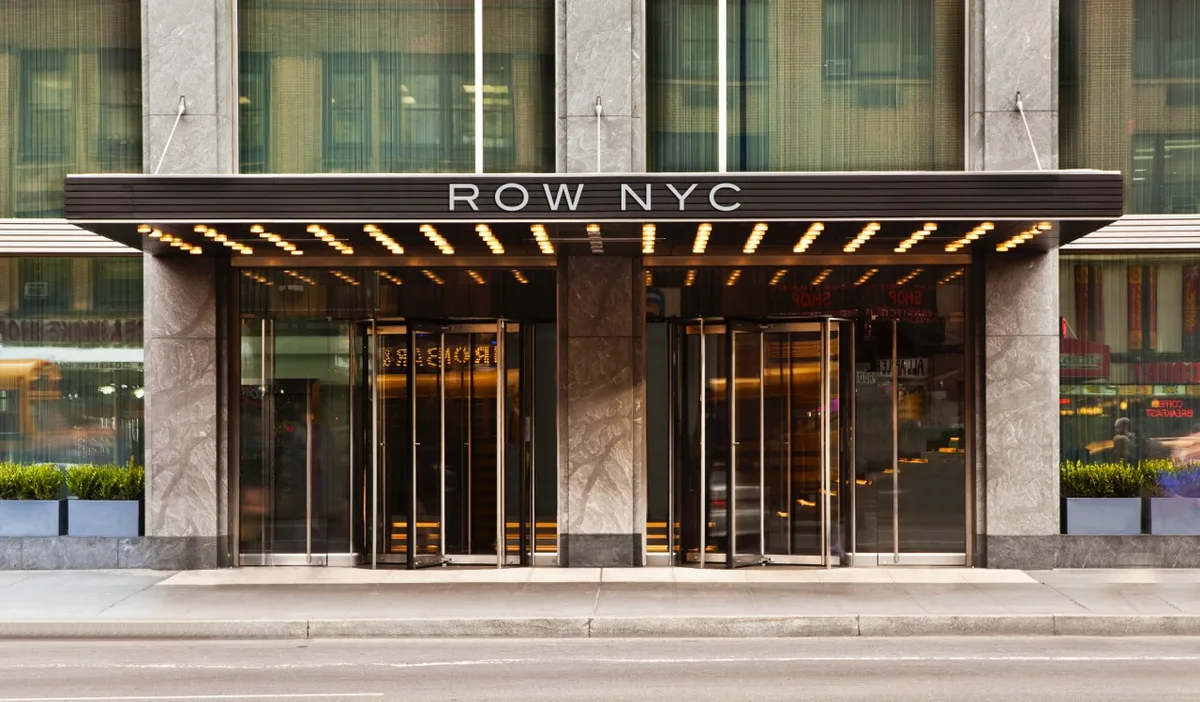
A borough-by-borough guide matching lodging to budget, subway line, and the reason for the trip.

A management change at a 130-room downtown hotel, translated into what it changes for a city-break planner.
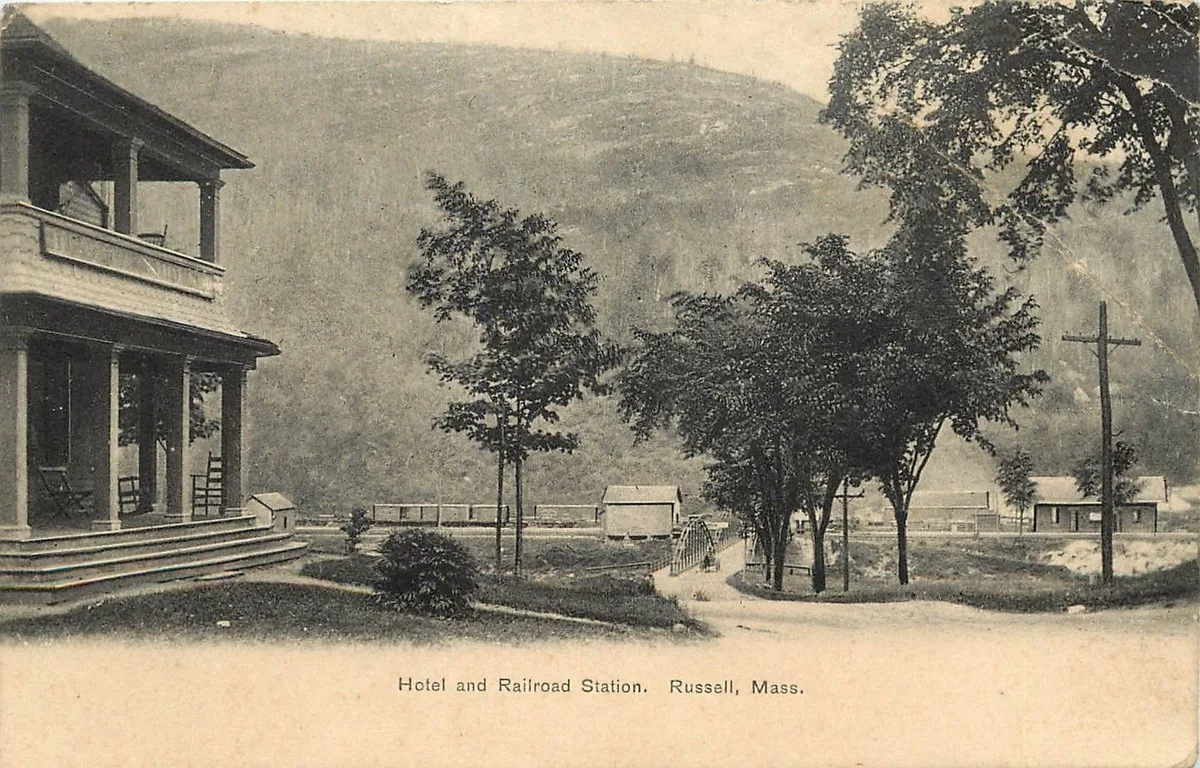
Three regions, three very different stays — and how to pick the one that actually resets a weekend.

Maps, street imagery, room-side questions and review language can tell you more about a room's sound level than any star rating.

A request is not a guarantee. Here is how front desks actually decide, when a fee appears, and how to ask so the answer is yes.