Restaurant guidance for people on a short stay: quick lunches near the museums, neighborhood dining rooms residents actually fill, market stalls, late kitchens and the one dinner worth reserving in advance. Entries carry prices, opening days and the nearest transit stop. For visitors who refuse to eat badly for convenience.
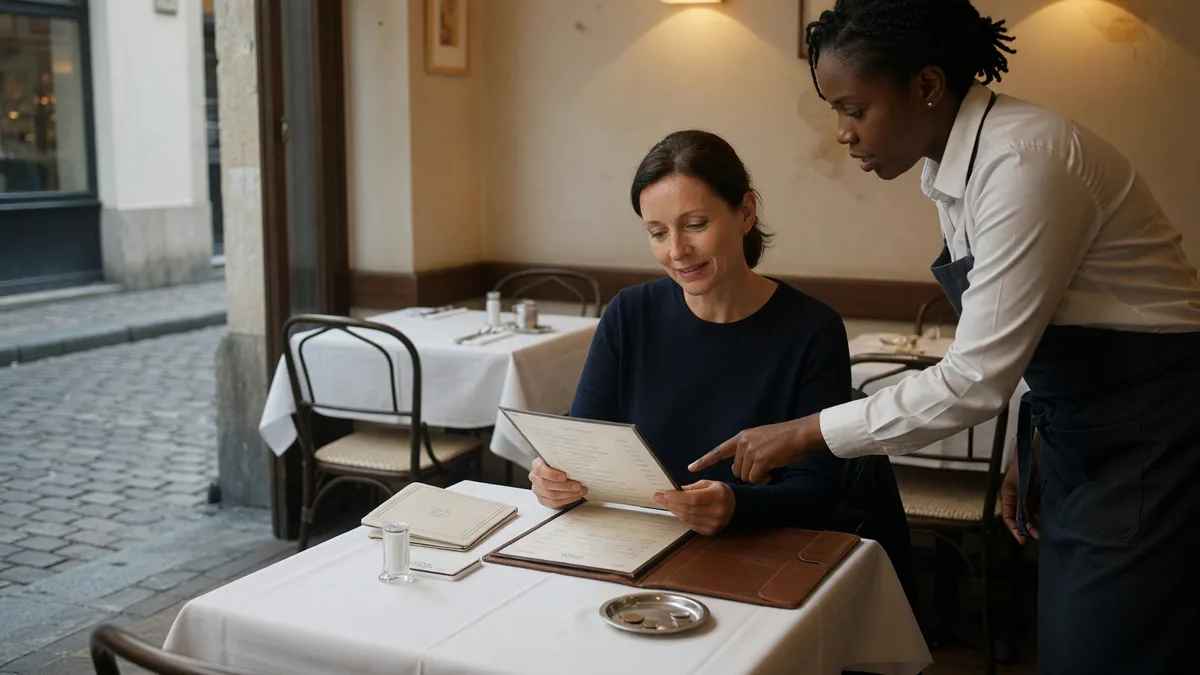
Eating well on a short trip: the lunch spot near the museum, the neighborhood dining room, the one dinner worth booking weeks ahead, with costs and hours.
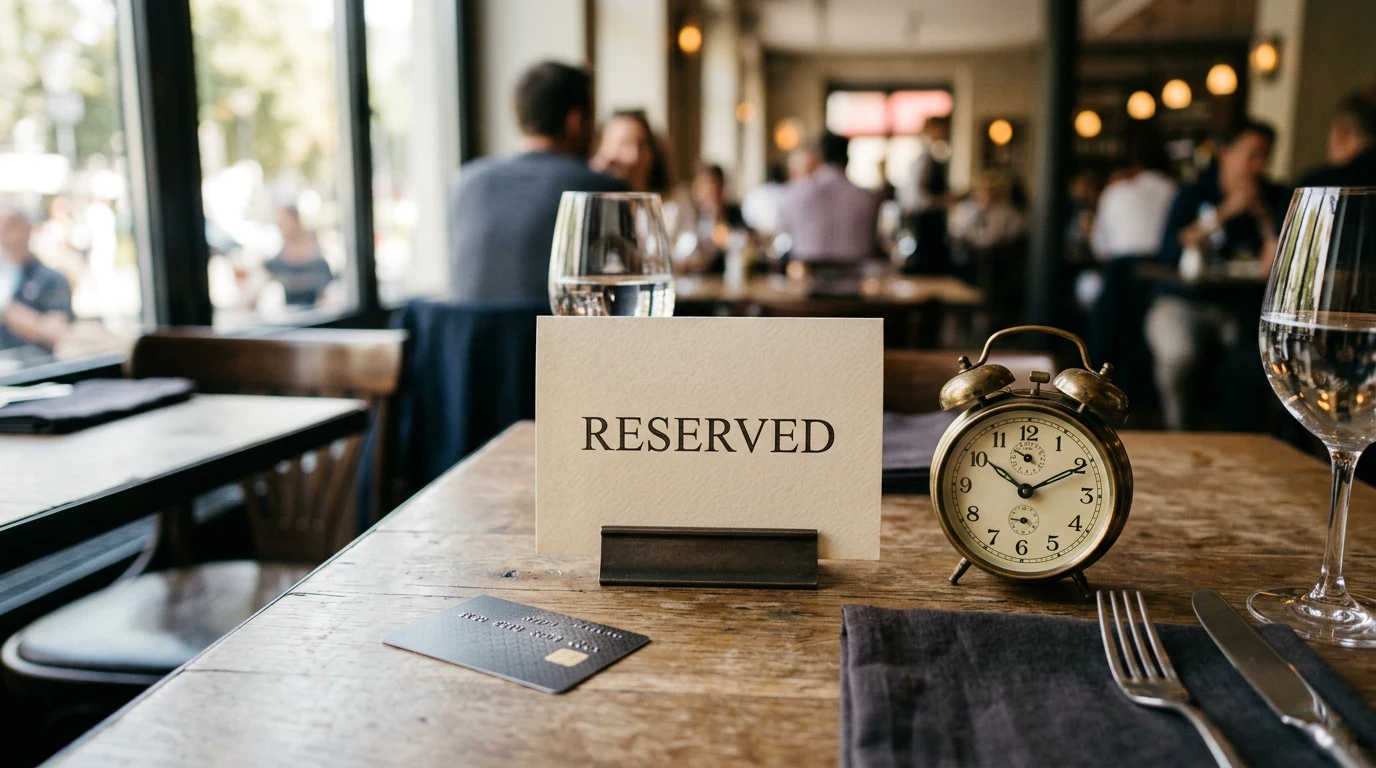
A growing number of restaurants now charge to hold a table. Here is how deposits, cancellation windows, and card holds actually function, and what it means for travelers booking dinner in a new city.
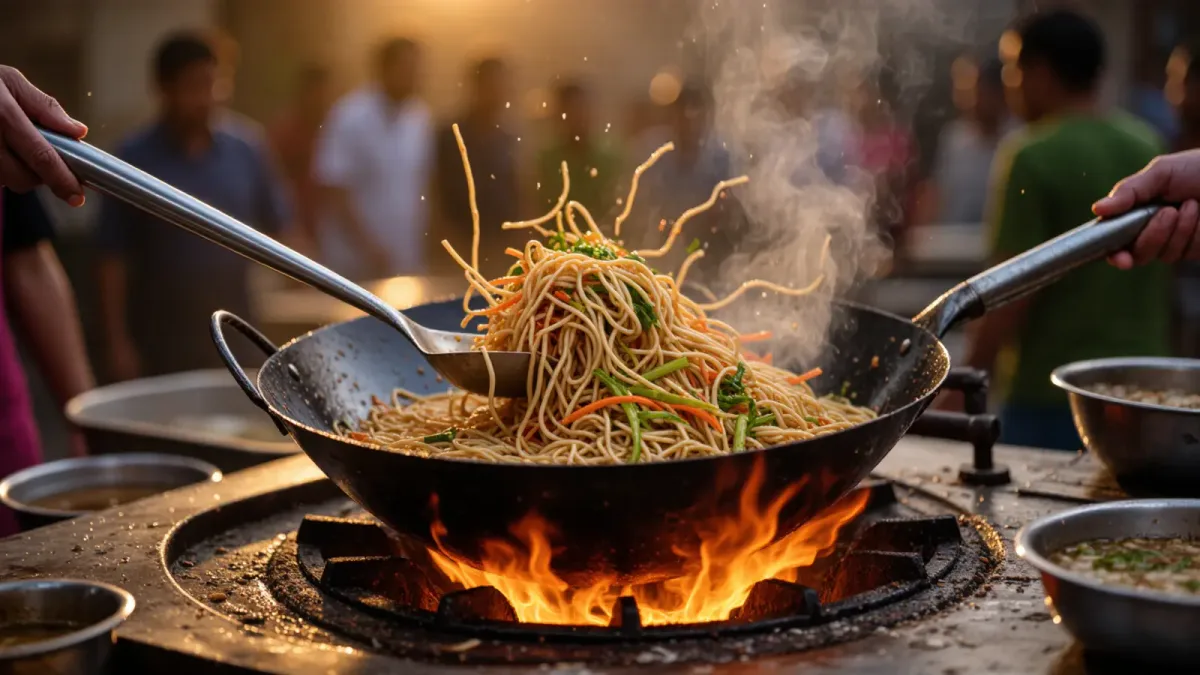
The safe stall announces itself — long local queues, one or two dishes cooked in front of the customer, high turnover, visible heat, clean money handling — and public health guidance agrees with the queue.

Chopstick rules are simpler than their reputation — never stand them upright in rice, never pass food chopstick to chopstick — and each country adds its own table grammar around spoons, bowls, and pouring.
Most European table rules protect two things — the pace of the meal and the cook's work — and the traveler who keeps hands visible, bread on the plate, and forks down between bites is welcome everywhere.
Kosher-observant travelers navigate by three certainties — the hechsher on the wall, the historic Jewish quarter, and the Friday-before-sundown clock — and every major city supports all three.
In most major European and North American cities a certified halal dinner sits within a transit ride — the working questions are certification levels, the seafood-and-vegetable fallback, and hotel breakfast.
Berlin and London run dedicated vegetarian restaurants by the hundred, while traditional kitchens from Lisbon to Budapest build menus on meat stock — the vocabulary and the strategy differ by country.
Five questions — what is it, how big, how spicy, what is in it, how is it eaten — turn any untranslatable menu line into an informed order, and no waiter minds being asked the first one.
The same cup means different things across Europe — a three-minute standing shot in Milan, a four-hour chair in Vienna, a pastry-and-refill ritual in Stockholm — and the local order sheet is easy to learn.
From Turkish tea and simit to Japanese rice and miso, the world's breakfasts split into three families — grain-based, savory-protein, and light-sweet — and each says where to eat the first meal of the day.