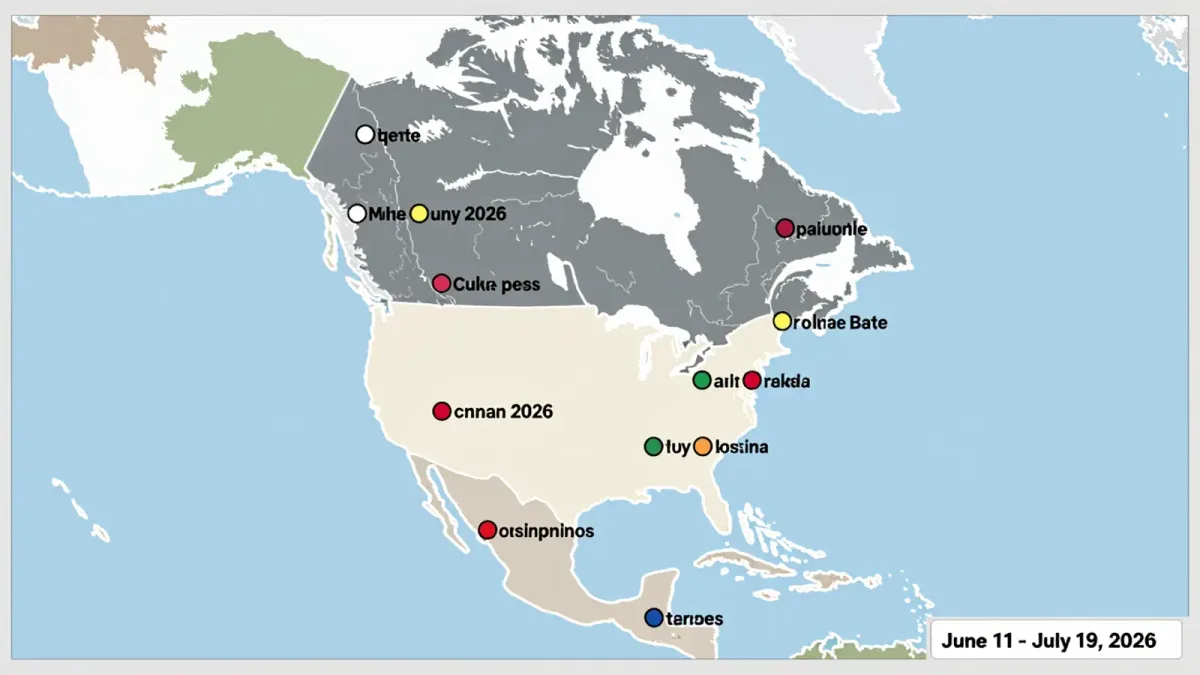
The 2026 FIFA World Cup kicks off on June 11, 2026, and runs through July 19 across 16 host cities in the United States, Mexico, and Canada — per FIFA, the largest edition ever staged, with 48 teams and 104 matches. One month before the opening whistle, the planning that matters most for visitors is no longer tickets: it is hotels, inter-city transport, and the reality that most host cities will be busier around matches than at any time in their history.
This publication reports the tournament's published structure; entry rules and local logistics change, so verify on official channels before travel.
Where are the matches played?
The 16 host cities include Mexico City and Monterrey in Mexico; Toronto and Vancouver in Canada; and, in the United States, Atlanta, Boston, Dallas, Houston, Kansas City, Los Angeles, Miami, New York/New Jersey, Philadelphia, San Francisco Bay Area, and Seattle. Matches concentrate in two waves — group-stage fixtures through late June, then the knockout rounds — so the same city can swing from crowded to quiet within a week.
What should a traveler book now?
- Accommodation near, not at, the stadium: per host-city guidance, match-day hotel pricing peaks within walking distance of venues; districts two or three metro stops away hold value.
- Inter-city transport early: with 104 matches spread across three countries, the busiest corridors — the Northeast US, Texas, and the West Coast — will see peak demand on both flights and rail.
- Entry requirements checked, not assumed: each of the three host countries applies its own visitor rules, published on official government channels.
Timing cuts both ways. A visit in the group-stage window buys the fullest festival atmosphere; the same city in a knockout week tends to price higher and book out faster, while a city eliminated from the bracket relaxes almost overnight. Travelers flexible on dates should therefore pick the week, not just the city, before fixing hotel reservations — the difference between adjacent weeks can be substantial.
What about travelers with no tickets?
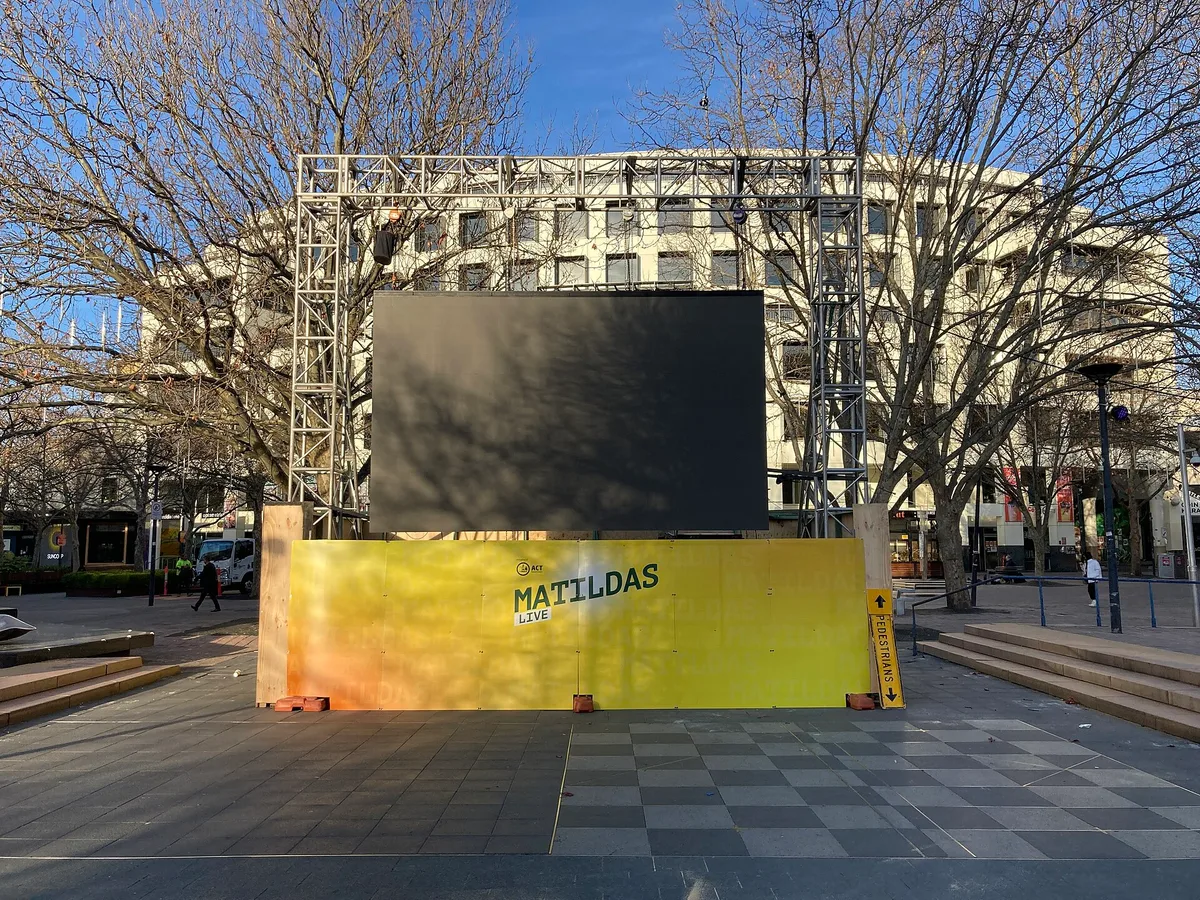
Each host city runs an official FIFA Fan Festival with big-screen match viewing, and the tournaments concentrate in downtown plazas rather than stadium districts — per FIFA's host-city program, attendance is free and unticketed. That makes the Fan Festivals the practical center for travelers who came for the atmosphere rather than a seat: a city break built around a host city's regular sights, with matchdays punctuating the itinerary, remains entirely workable one month out.