European dining etiquette looks like a wall of national rules and reduces to three habits: keep both hands at the table's edge rather than the lap, rest the fork and knife across the plate — not the tablecloth — between bites, and treat bread as an accompaniment rather than a course. The underlying logic is consistent from Lisbon to Warsaw: the meal is paced, the cook's work is respected, and the table is shared territory (documented dining customs, June 2026). This guide covers the habits that transfer everywhere, the national variations worth knowing, and the moments — the bill, the doggy bag, the shared plate — where travelers most often hesitate.
This site publishes information, not social advice; customs vary by region, household, and the formality of the room.
Which Table Habits Apply Everywhere in Europe?
- Hands visible. Both hands rest on the table or on its edge — the Continental habit — never in the lap as in North America. Wrists, not forearms; no elbows on the table once food arrives.
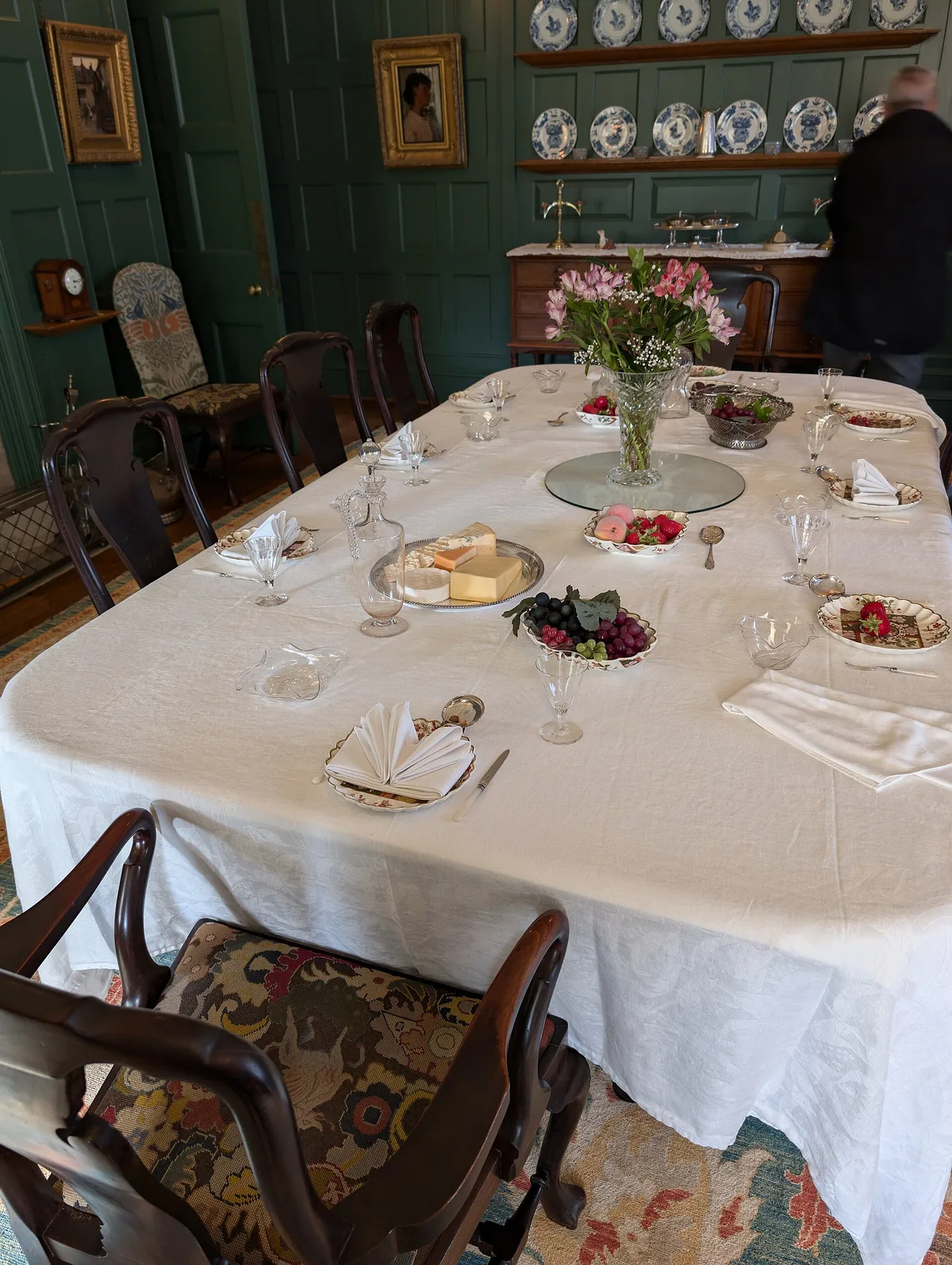
- Cutlery rests on the plate. Fork over knife, angled, when paused; parallel handles at four or six o'clock signal the plate may be cleared. Laying used cutlery on the tablecloth reads as careless.
- Bread belongs on the plate, torn not bitten. Tear a piece, butter it piece by piece, and let the bread chase the sauce on the plate — in France this is explicitly encouraged.
- Pace with the table. Eating markedly faster or slower than the group is the one universal faux pas; meals are collective events.
- Wait for the signal. In most countries the host's "bon appétit," "buon appetito," or raising of glasses starts the meal; until then, no one eats.
How Do Meals Differ Structurally Across Europe?
The course structure explains most etiquette differences. In France and Italy, dinner is a sequence — starter, main, cheese or contorni, dessert — and ordering a single main is accepted but understood as light eating. In Spain, the midday and evening meals run on shared plates, and dishes arrive when ready, not in sequence; eating from individual plates throughout would miss the point. In Germany and Central Europe, courses arrive more quickly and the meal is more compartmentalized. Northern Europe splits the difference, with the notable habit of hot main courses served without ceremony and cold spreads at breakfast running long.
What About Sharing Plates and the Bread Basket?
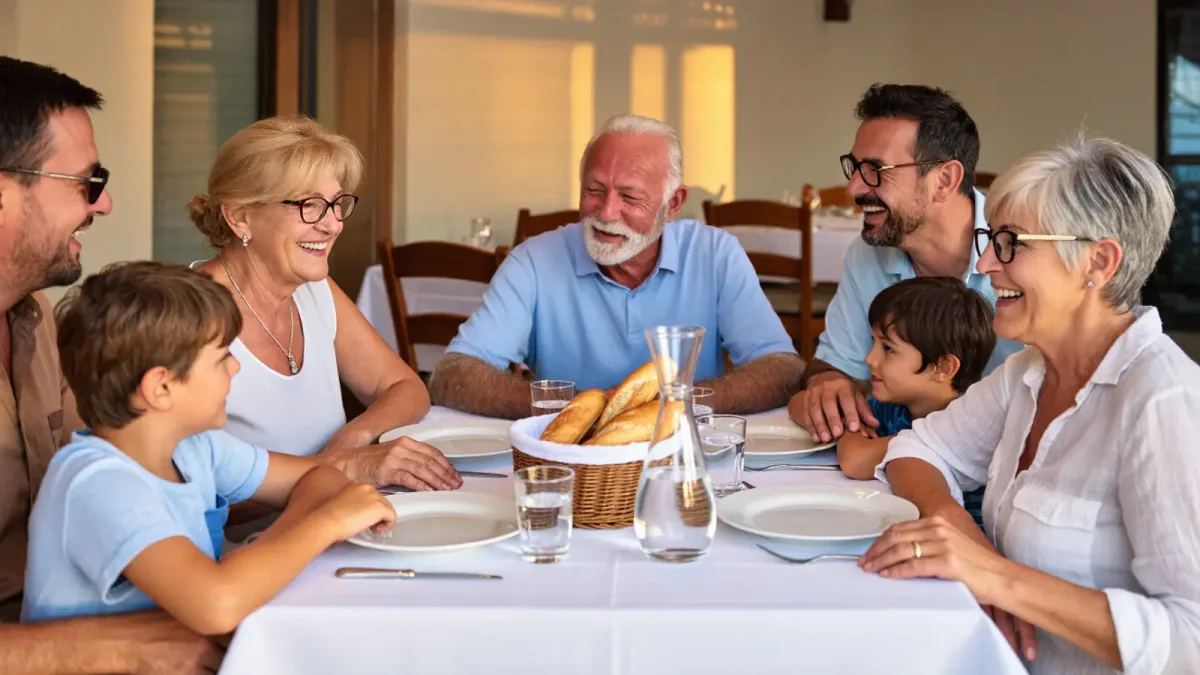
Sharing rules differ sharply. In Spain, raciones and tapas belong to the whole table, reached with the fork or a fresh piece of bread, never the fingers of a personal plate. In Italy, antipasti may be shared but primi and secondi are individual and inviolate. The bread basket sits in common territory everywhere — take a piece when it passes rather than reaching across — and in many countries it is a charged item, refilled on request rather than free-flowing. Travelers unsure of a table's sharing culture can watch one course arrive: how the locals' hands move answers the question definitively.
How Should the Bill and the End of the Meal Be Handled?
Meals end deliberately, not abruptly. The bill arrives on request — "il conto," "la addition," "die Rechnung" — and is not brought unbidden; lingering after the plates are cleared is normal and unpaid-for time, not poor service. Splitting the bill is increasingly routine in cities, either divided evenly or paid per person at the counter. Asking to take leftovers home is now accepted in most urban restaurants, though in some traditional rooms it still surprises; phrase it as a compliment. Regarding payment at the table, a small rounding or a modest percentage is the usual custom in Western and Central Europe, with service customs differing by country — worth checking per destination (documented customs, June 2026).
Which National Details Actually Surprise Travelers?
| Country | The detail |
|---|---|
| Italy | Cappuccino ends at the morning; espresso follows the meal. Pasta is a course, not a side |
| France | Salad follows the main, before cheese; bread sits on the table or plate, not the rim |
| Spain | Dinner starts at 21:00 or later; lunch is the main meal of the day |
| Germany | "Guten Appetit" to tablemates before eating; punctuality of reservations is taken seriously |
| Greece | Meals run long and shared; bread used as the fork for dips is expected, not rough |
| UK | Fork held in the left hand, tines down, in the traditional style — not switched as in America |
None of these carry penalty beyond a raised eyebrow; the traveler visibly attempting the local habit earns patience everywhere.
FAQ
Is it rude to ask for changes to a dish in Europe?
Mildly, in traditional kitchens, where the recipe is the chef's statement — substitutions read as distrust. Casual restaurants accommodate freely. The safe route: order a different dish rather than redesign one.
Should water be ordered, and is tap water acceptable?
Tap water is legally served free in the UK and Ireland and is increasingly offered elsewhere, though many establishments on the continent default to bottled and charge for it; asking directly resolves the ambiguity (documented service customs, June 2026).
How long is a normal dinner in Southern Europe?
Two hours is standard for a full sequence in France or Italy, longer for festive occasions, and Spanish dinner service routinely runs past 23:00. Blocking only an hour misreads the format; tell the staff if the schedule is tight.
What is the correct way to signal finished eating?
Cutlery parallel on the plate, handles at four or six o'clock, napkin loosely to the left of the setting. This signal works in every European dining room; servers read it without a word.