Muslim travelers eat comfortably in most large Western cities once the method is clear: halal-certified butcheries and restaurants cluster in a few inner districts of nearly every major city, seafood and vegetarian kitchens provide the fallback everywhere, and certification levels — certified, Muslim-owned, halal-friendly — need to be told apart before trusting a sign (halal dining scene overviews as documented, May 2026). London, Paris, Berlin, Amsterdam, Brussels, and Toronto each host halal food scenes large enough to run dedicated steakhouses, sushi bars, and burger chains; smaller cities require more planning but rarely fail. This guide sets out the certification vocabulary, the district logic, and the day-to-day tactics that keep a trip's food interesting.
This site publishes information, not religious guidance; travelers should follow their own standard of strictness, and where in doubt, ask the establishment directly.
What Do the Labels on Halal Food Actually Mean?
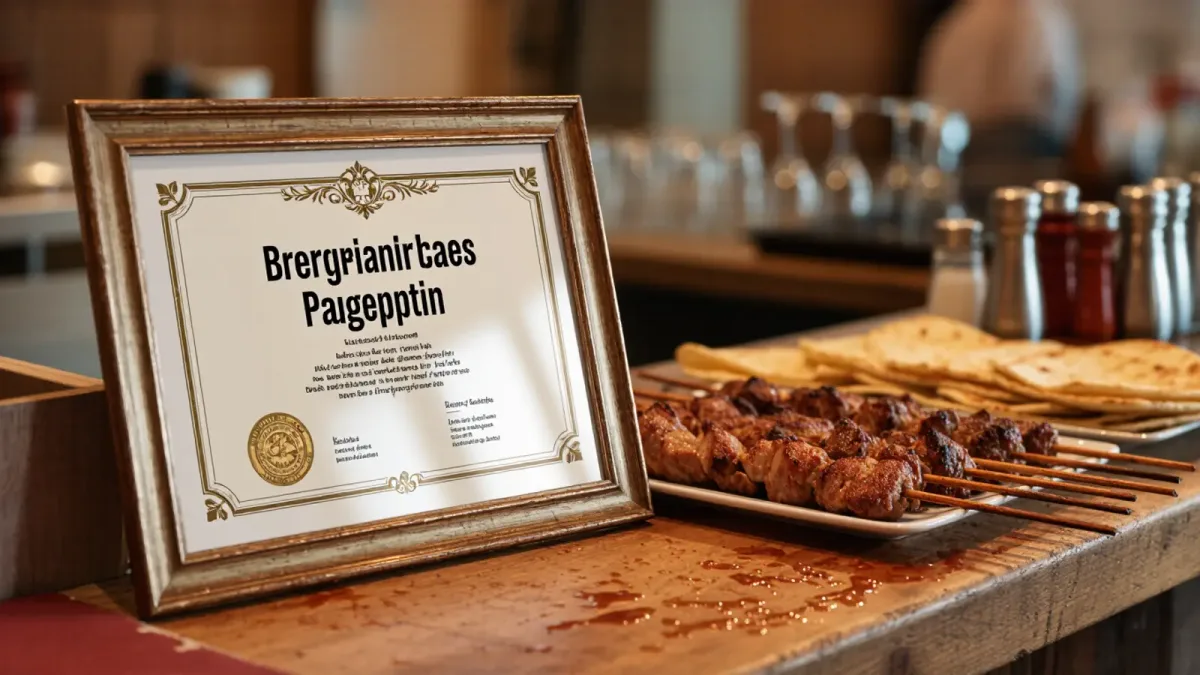
Three terms, three different guarantees. Certified halal means a named certifying body audits the supply chain — the certificate is usually displayed, and the certifier can be checked. Muslim-owned establishments source their own meat and answer for it themselves; many are meticulous, but the guarantee is personal rather than audited. Halal-friendly is marketing language: it may mean no pork or alcohol on the menu while the meat supply is unverified. The traveler's own strictness decides which tier counts; the practical skill is reading which tier a sign claims.
Where Do Halal Food Scenes Cluster in Cities?
| City | Known clusters | Scene character |
|---|---|---|
| London | Whitechapel, Edgware Road, Tooting | Everything from curry houses to halal steakhouses |
| Paris | Belleville, Barbès, Goutte d'Or | North African kitchens, butcher-led grill culture |
| Berlin | Neukölln, Kreuzberg | Turkish and Lebanese, strong street food |
| Amsterdam | De Pijp, Nieuw-West | Surinamese, Turkish, Moroccan mix |
| Toronto | Thorncliffe, Lawrence Avenue east end | South Asian and Middle Eastern range |
The cluster logic is old: halal butcheries anchor a street, restaurants follow the butcheries, and the district ends up with the city's most competitive grills and kebab kitchens. These districts are ordinary residential neighborhoods — the food scene is a fact about supply, not a tourist quarter (documented district dining scenes, May 2026).
What Is the Seafood-and-Vegetable Fallback?
When no certified option fits the moment, the standard strategy is to eat around the meat question rather than solve it. Seafood restaurants, vegetarian and vegan kitchens, and mezze-style establishments remove the doubt by removing the category — with the caveat that strict travelers still confirm alcohol in sauces and the cooking fat. Breakfast is the meal this fallback serves best: bread, cheese, eggs, fruit, and coffee satisfy in any city bakery, which is why hotel room-only rates often suit Muslim travelers better than bundled half-board.
How Should Fast Travel Days Be Handled?
Two tactics cover transit days. First, grocery lines: the larger European chains label halal-slaughtered meat clearly, and international brands of snacks and packaged bread are reliably meat-free — supermarket picnics beat airport gamble. Second, the pre-mapped anchor meal: one certified restaurant identified near the hotel before arrival, kept as the day's certain meal, with improvisation allowed for the rest. Airport halal options have expanded but remain inconsistent; eating before security is the dependable order.
What About Ramadan Travel?
Fasting days reverse the tactics: the anchor meal becomes iftar, and in cities with large Muslim communities restaurants run reservation-based iftar menus — in London and Paris these sell out days ahead in Ramadan season, so booking matters more than at any other time of year (documented iftar dining practice, May 2026). Dawn needs planning too: suhoor in a hotel works if the booking includes early breakfast or a room with a kettle; in non-Muslim districts, grocery provisions prepared the night before are the standard answer. Non-Muslim cities observe Ramadan quietly — no crowds at dusk — which makes the pre-identified halal districts more valuable than ever.
FAQ
How can a halal restaurant's certification be verified?
Look for the certifying body's name on the certificate displayed at the counter, and check that body's own register online. Certificates without a named certifier are the halal-friendly tier in disguise.
Are kebab shops in Europe halal?
Most are Muslim-supplied, but the tier varies from certified to unverified. The questions that sort them: where the meat is sourced and whether the certifier is named. Certificates displayed on the wall are the reliable sign.
Is halal food available at European airports?
Increasingly, at the larger hubs — pre-packaged certified options appear in shops and some outlets — but coverage is inconsistent. The dependable plan is eating before the airport or carrying packaged food for the transit day.
Do hotels offer halal breakfast?
Some properties in cities with large Muslim communities do, and most hotel breakfasts contain enough bread, cheese, egg, fruit, and fish to work without modification. Standard European buffet bacon stations are the only real obstacle, and room-only rates sidestep the issue entirely.