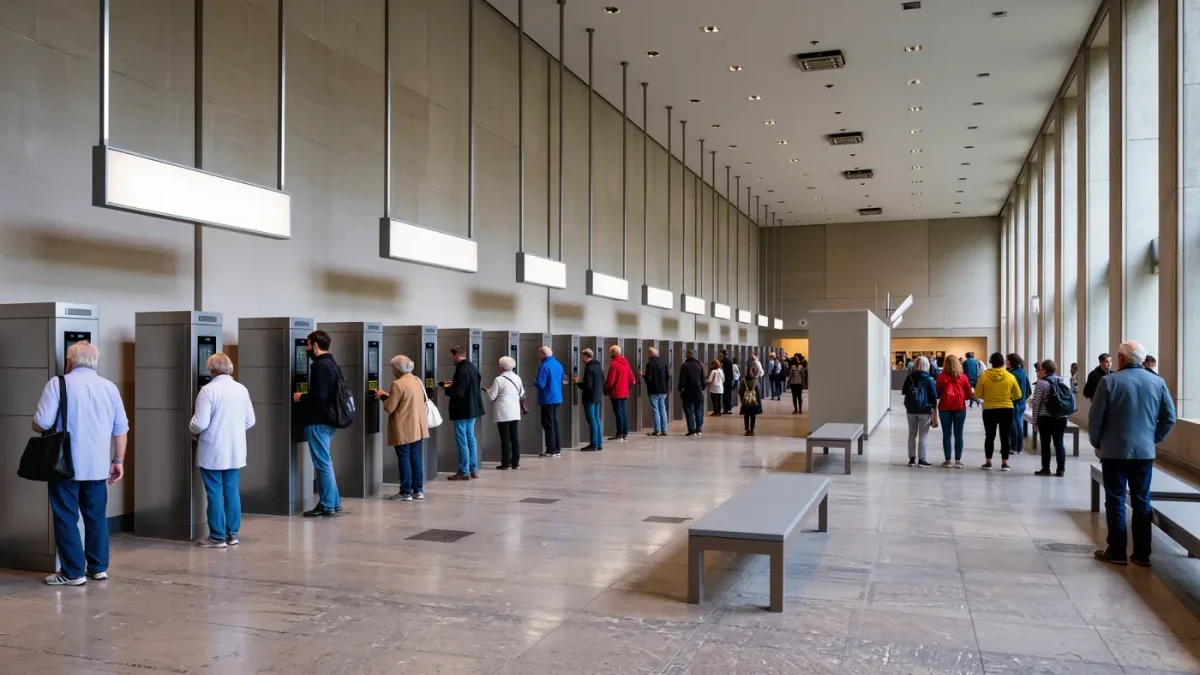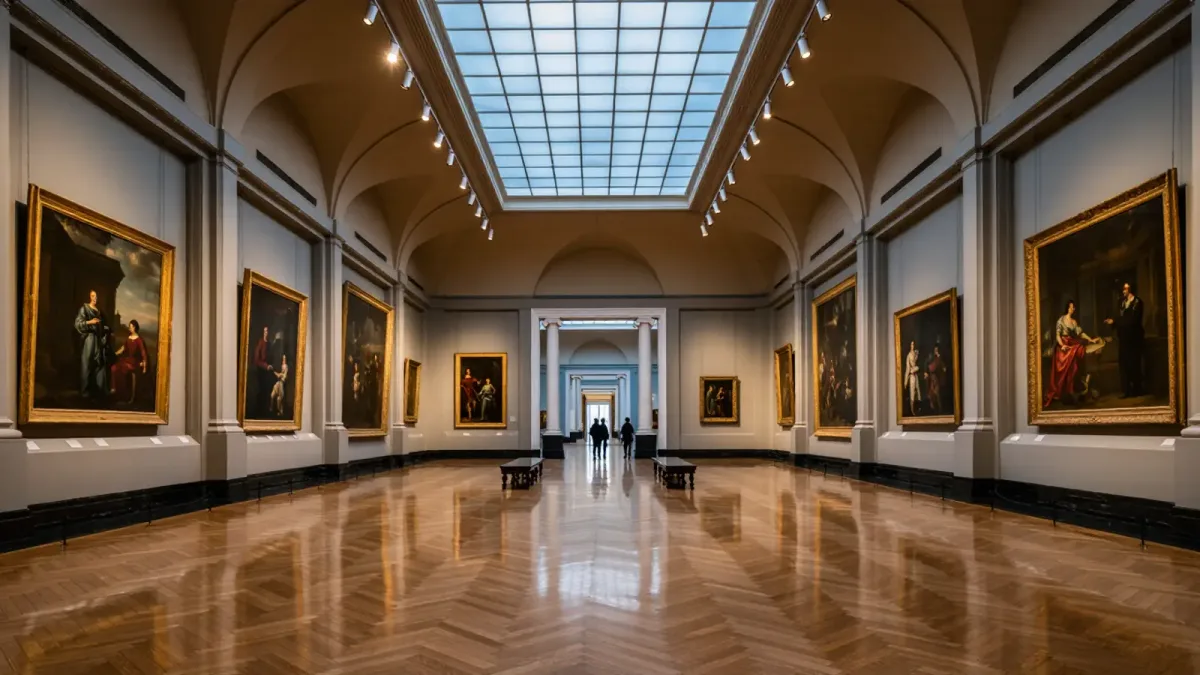
The world's most-visited museums now sell admission by timed entry — a reserved arrival window rather than a day ticket — and for a city break the mechanics matter as much as the itinerary: the anchor museums of Paris, Rome, Florence, Amsterdam, and Barcelona typically open bookings 30 to 90 days ahead, with the best morning slots for summer weekends selling out within days of release, per each museum's published booking windows as of July 2026. How the system works, how to book it in the right order, and what happens when plans change are set out below.
This site publishes information, not professional travel advice; booking rules vary by museum and change often, so confirm on the official ticketing page.
Why do museums sell timed entry?
Crowd control, adopted under duress. The museums that moved earliest — the Uffizi and the Accademia in Florence in the mid-2010s, joined by the Louvre's mandatory time-slot reservations in 2019 and the Alhambra decades before — did so after visitor numbers exceeded what their entrance sequences physically processed, and the timed ticket turned an unbounded queue into a scheduled flow. The system's logic explains its rules: slots exist to smooth arrivals, so they bind in both directions — arrive outside your window and you may wait or be refused at peak times; arrive early and entry is usually accommodated but never guaranteed. Every museum that issues one publishes the window width (commonly 15–30 minutes) on the ticket itself.
How far ahead should you book?
Work from the release calendar backward. The pattern across major institutions as of 2026: high-demand European museums open sales roughly 30 days out, several larger ones 60–90 days out, and seasonal blocks — summer weekends, holiday weeks — go fastest within those windows. The practical sequence for a city break: fix your travel dates, book the anchor museum's slot first on the day its window opens, then build the surrounding days around that confirmed hour. For same-culture clusters — a palace, a chapel, a tower — book the single scarcest slot and treat the others as flexible, since one reserved hour anchors the day and everything else bends around it.
What are the mechanics worth knowing?
- Official pages only. Third-party resellers repackage official tickets at markups; the museum's own site, or the official city pass, is the source of record for both price and slot.
- The free and discounted lanes are timed too. Reduced-fare, free-age, and companion tickets usually reserve the same slots but through a separate queue or office; the museum's access page explains its version.
- Name-matching and ID. Several museums tie tickets to a visitor name and check documents; a transferred ticket can be refused, so book under the actual visitor's name.
- Cancellation terms differ sharply. Some institutions refund up to a day ahead, others sell final; read the terms before booking non-refundable weather-sensitive slots.
What if the slot you want is gone?
Three routes remain. The late-day slots — two hours before closing — release the same pressure and often stay available when mornings are gone, and they carry their own reward: the galleries empty as closing approaches. Official re-release happens too, as held groups and contingent bookings return unsold slots to the pool in the days before the date. And the city pass lane matters in several capitals, where pass-holders reserve from a separate allocation — not a guarantee, but a different pool with different availability. What fails reliably is improvisation at the door: the timed-entry system was built precisely to remove the walk-up option, and in high season it has.