An accessible city break succeeds on research order, not luck: confirm your base and its entrance first, then the door-to-door transit chain, then the anchor sights' access pages, and only then fill the free hours — a sequence that turns most European capitals' improving accessibility data into a workable trip. Roughly one in six people in the European Union lives with a disability, per EU survey data as of 2023, and the major cities' transit authorities and museums have published accessibility information at growing depth each year since. The method below organizes it. Details reflect published guidance as of May 2026.
Which cities are easiest to plan?
Flat, modernized transit systems lead. Among European capitals, cities whose networks publish station-by-station step-free maps — Berlin, Vienna, Madrid, Barcelona, and London among them — allow a trip to be planned entirely around step-free interchanges, and each transit operator's own trip planner filters for step-free routes as of 2026. The difficult cases are structural: cities of hills and stairs — Lisbon's hills, Naples, Rome's cobbled centro storico — where the historic fabric itself is the barrier, and where planning leans on accessible taxi services and hotel district choice rather than metro maps. Historic does not mean hopeless, but it does mean the accommodation's exact address matters more than its star rating.
How do you research in the right order?
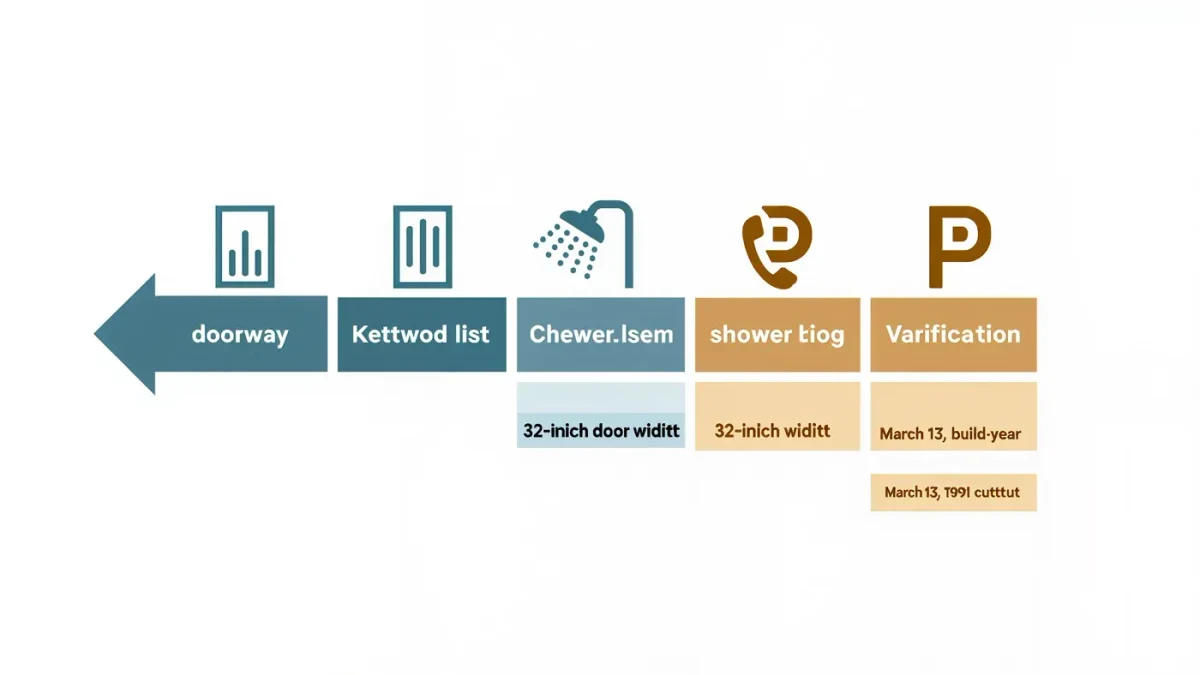
- Base first. Call or email the hotel or apartment directly about the entrance, the room, and the bathroom — published "accessible" labels vary, and direct questions (threshold heights, roll-in shower, elevator dimensions in centimeters) get precise answers. The EU's 2019 Accessibility Act and national equivalents have pushed standardization, but as of 2026 verification is still the traveler's job.
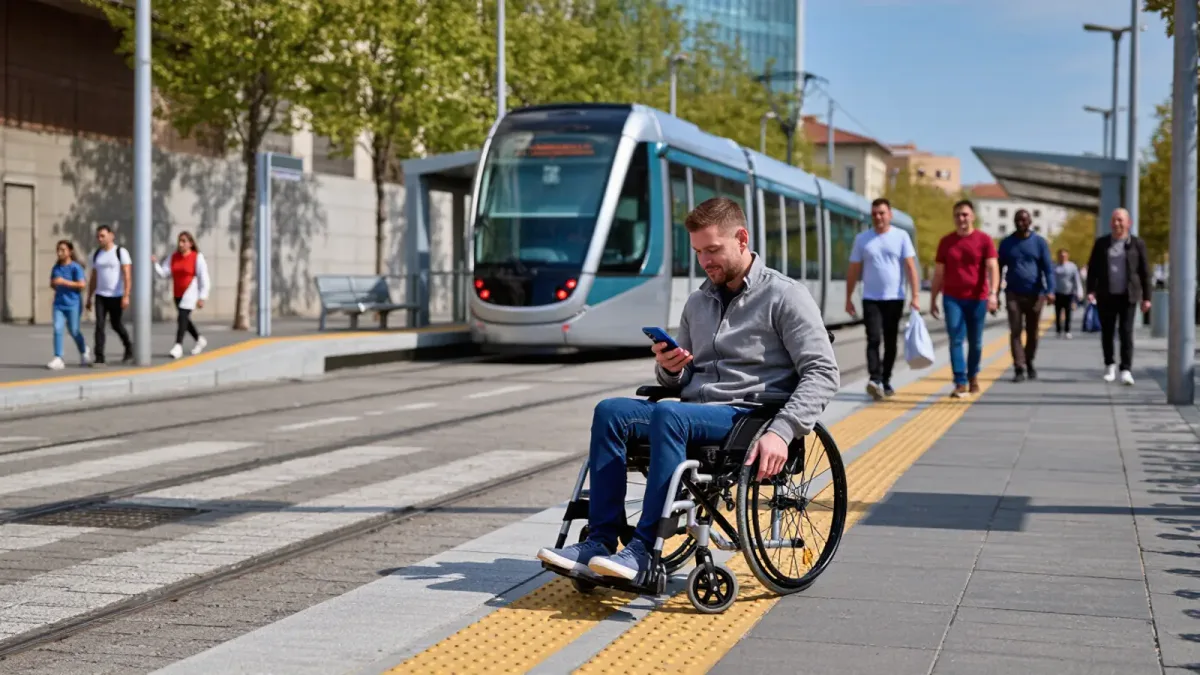
- Then the transit chain. Map the airport-to-base route on the operator's accessibility page, then the base-to-anchor-sight routes. Where a metro line lacks step-free stations, the same pages usually list the accessible bus alternatives.
- Then the anchors. Major museums publish detailed access pages — entrance routes, elevator access per floor, wheelchair loans — and most European national museums admit accompanying persons free or discounted as of 2026.
- Finally the hours. Cafés, cobblestone streets, and park paths are the unpublishable remainder; a district-based itinerary (one neighborhood per day) minimizes the unknown by minimizing distance.
What do official sources actually offer?
More each year, and mostly free. City tourism boards run accessibility pages with district-by-district summaries; transit operators publish network accessibility maps and, in several capitals, offer staff-assisted boarding booked by phone a day ahead; and the EU's own passenger-rights framework — Regulation 1107/2006 for air travel — guarantees assistance at airports when requested at least 48 hours before departure, a right worth knowing on every flight into and out of the bloc. For ground-level reality beyond official pages, city-run accessible-route maps and museum access pages remain the two sources worth printing before departure.
Can you rent equipment at the destination instead of flying with it?
Often, yes, and it lightens the trip. Most major European capitals have medical-supply rental firms that deliver mobility equipment — wheelchairs, shower chairs, raised toilet seats, hoists — to hotels for the length of a stay, bookable online with a few days' notice as of 2026 practice; several city tourism boards list vetted providers on their accessibility pages. Batteries and powered equipment are the exception: airline rules for mobility-aid batteries are strict and airline-specific, so confirm directly with the carrier rather than assuming, and carry the equipment's documentation. Renting at the destination also removes the biggest single risk of an accessible trip — damage to a personal wheelchair in air transit — which experienced travelers often describe as the decisive argument for the hybrid approach: own chair at home, rental chair or shower chair on the road.
What is the realistic picture?
Honest planning accounts for two frictions. First, variance: the same city can be easy (a modernized metro, a flat planned district) and hard (a hill quarter, an old church with steps) within a single day, which is why district selection is the accessibility decision that matters most. Second, gaps: assistance services require advance booking, museum elevators occasionally close for maintenance, and a plan with one backup anchor per day absorbs the misses. Travelers who verify in the order above report the same outcome consistently: the trip works because nothing in it was left to chance at the door.