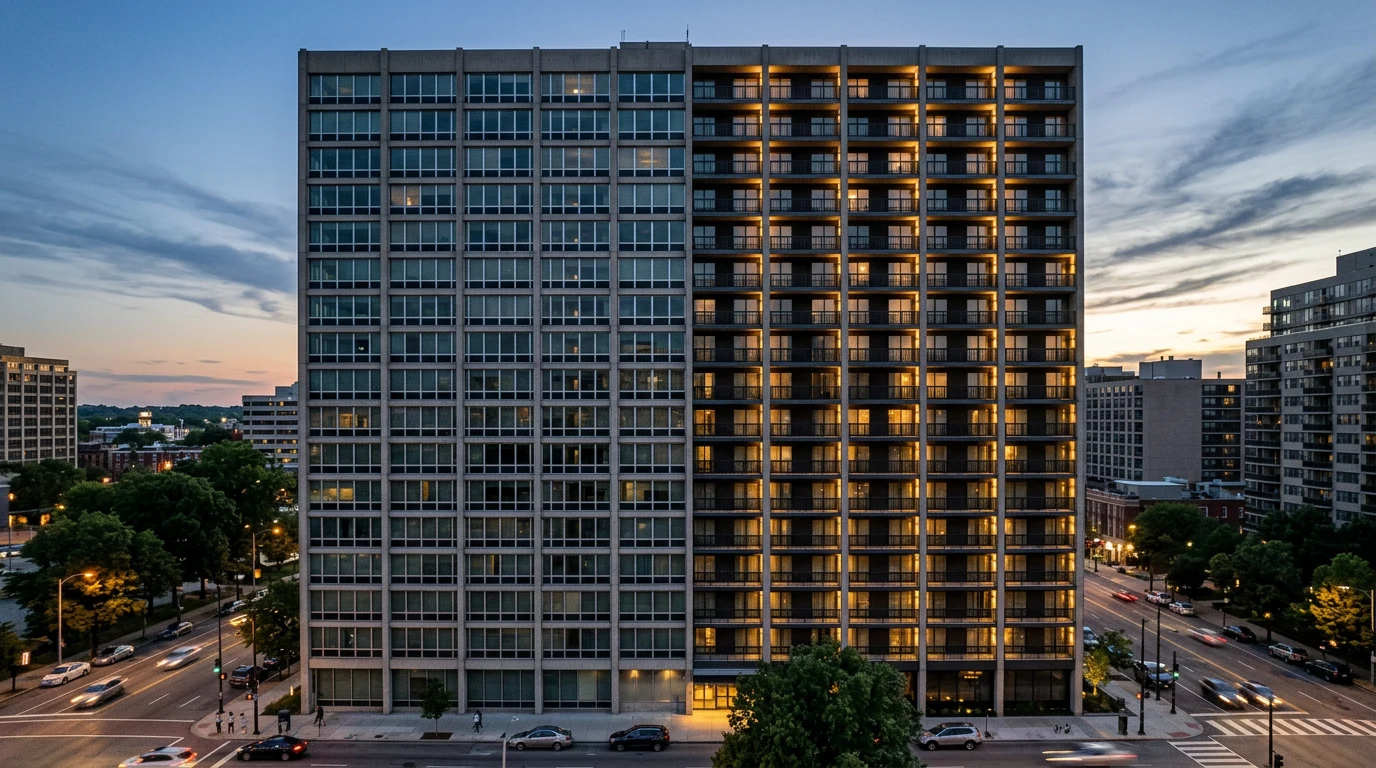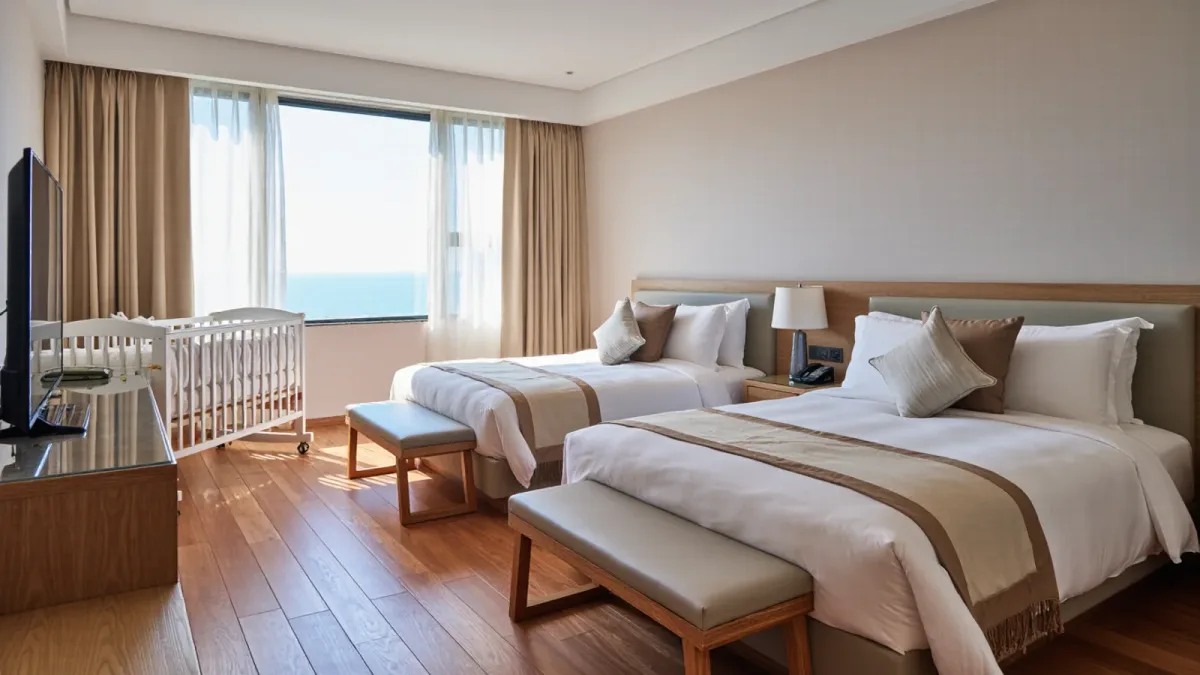
Two rooms in the same hotel, at the same price and category, can differ more than two hotels in the same city. Room position decides the sleep: street-facing versus courtyard-facing, the floor below the rooftop bar, the wall shared with the elevator shaft. Front desks can usually accommodate position requests made before the day's arrivals begin, yet most guests never make them (property house rules and front-desk practice as observed across hotel policies, April 2026). This guide lists the requests worth making, in order of impact, and what each is worth.
This site publishes information, not booking advice; individual hotels differ, so requests are exactly that — polite, early, and specific.
Which Requests Matter Most for a Quiet Night?
Ranked by how often position changes the outcome:
- Courtyard or rear facing, not street. Traffic noise is the single most common complaint in city hotels; interior-facing rooms remove it almost entirely.
- Away from the elevator shaft and ice/vending areas. The mechanical hum and door-bell runs repeat all night. "Not adjacent to the elevator" is a standard, understood request.
- Away from service doors and housekeeping closets. Early-morning carts start at 06:30 in many properties.
- Not below the restaurant, bar, or rooftop terrace. Bass and chair scrapes travel down through structure until the venue closes.
- Not beside the fire-stair door. Heavy doors with closers slam at all hours.
A front desk can honor two or three of these at once on a normal night; name the priority rather than reciting the list.
High Floor or Low Floor?
Each direction has a case. Higher floors reduce street noise and open the outlook, but lengthen elevator waits, sit closer to rooftop plant and terrace noise, and complicate evacuations for some travelers. Lower floors keep stair-escape practical, arrive faster from the lobby, and place the guest closer to delivery activity and street life. For a quiet sleep in a mid-rise city hotel, the practical sweet spot is commonly the fourth to seventh floor, rear-facing — above eye level with the street, below the roofline equipment. Older buildings with small elevators argue for lower floors; modern towers with fast lifts argue for higher ones.
What About Light and the Window?
Morning light is a sleep variable as real as noise. An east-facing room brightens at 05:30 in June at European latitudes; blackout curtains vary in quality more than any other fixture between hotels. Three practical checks:
- Reviews that mention "blackout" or "light in the morning" are reliable signals; reviews rarely mention curtains unless they fail.
- A courtyard-facing room usually means dimmer, steadier light all day.
- For jet-lagged arrivals, darkness ranks above view; ask for a room on a north or courtyard aspect.
How Does Room Position Affect Temperature and Air?
Top-floor rooms sit under the roof — hotter in summer, colder in winter if insulation is old. Rooms above kitchens or laundries run warm at all hours. Rooms over loading docks catch diesel smells at dawn deliveries. If the stay is in July or August, "not on the top floor, not facing the afternoon sun" is the two-part request that prevents most summer room complaints.
When and How Should the Requests Be Made?
| Timing | Channel | Success rate |
|---|---|---|
| At booking (note field) | Platform or hotel site | Noted, not promised |
| 3–7 days before arrival | Direct email or phone | Highest; logged in the reservation |
| Day of arrival, before 15:00 | Call the desk | Good; assignment still open |
| At the desk, late evening | In person | Lowest; the house is full |
Direct bookings carry the most weight with front desks, which is one practical reason to book with the property rather than through a platform when a specific room matters (front-desk practice, April 2026).
FAQ
Do hotels charge for room position requests?
Standard positions — courtyard, high floor, away from elevator — are complimentary courtesies at most properties. Named view categories and corner rooms carry supplements because they are distinct inventory, priced in the rate ladder.
Is a corner room worth a supplement?
Often yes for space: corner rooms have windows on two sides, more natural light, and only one neighboring wall. For light-sensitive sleepers, note that two windows can mean two blackout-curtain gaps to check on arrival.
How can noise risk be judged from a listing?
Search reviews for the words "noise," "street," and "bar." Multiple recent mentions beat any response from the property. Map the hotel's cross streets: a corner building on a tram line and a nightlife street is a known profile.
What if the assigned room is unacceptable on arrival?
Return to the desk promptly, before unpacking, and state the specific issue — not "a different room" but "this room faces the terrace." Specific, early, polite requests get specific results; late-night demands rarely do.