Maze Honolulu is now the first Hawai'i restaurant named to The New York Times Restaurant List, the paper's annual selection of 50 favorite places to eat in the country. For anyone planning a Honolulu city break, the practical takeaway is simple: an omakase dinner in the Kaka'ako district has joined the short list of reservations worth building an evening around, with service Wednesday to Sunday from 5:30 to 10:30 p.m. at 604 Ala Moana Blvd.
The recognition matters for trip planning because of how the list is made. According to HONOLULU Magazine, this year's 50 were culled from 538 restaurants the Times' scouting team visited across 38 states, many only months old, and places selected in previous years are cycled off. A slot is a current, dated judgment, not a permanent plaque.
This guide explains what the list distinction actually means, what kind of dinner Maze serves, who is behind it, and how to fit it into a Honolulu itinerary. For broader trip planning, our destinations coverage covers the neighborhoods and logistics behind city breaks like this one. This connects to our earlier piece, Coyoacán, Mexico City: A Neighborhood Primer in the Old Village South.
What the New York Times Restaurant List actually is
The list is annual and deliberately unstable. The Times' scouting team visits a large field of candidates — 538 restaurants in 38 states this year — and selects 50 favorites, with previous years' honorees rotated off. Many of this year's picks had been open only months. That structure tells a traveler two things: the recognition is recent and specific to this moment, and it reflects a critic's scouting operation rather than a fixed hierarchy.
The list is also not the paper's only grading system. Earlier this year, Times chief restaurant critic Ligaya Mishan gave Maze a Critic's Pick and a two-star review — on the Times' scale, "very good." Only six restaurants hold the maximum four stars, among them Le Bernardin and Eleven Madison Park. Knowing where a two-star review sits on that scale is the difference between reading the honor accurately and overselling it.
What a dinner at Maze is actually like
Maze runs omakase menus — the Japanese format in which the kitchen chooses the courses for you — that the restaurant describes as intertwining inventive cocktails with playful modern courses. Mishan's review gives the clearest picture in print. She describes a Spam musubi, a 7-Eleven staple, reimagined with "a gossamer strip of Wagyu and crackly crisp nori over rice steeped in Wagyu fat." Of the drinks, she writes that they "bring their own revelations, whether a potent drop of green garlic chive oil or a smoky throb of lapsang souchong."
Two planning details follow from that description. First, this is a cocktail-forward omakase, unusual for the format, so the drinks are part of the meal rather than an afterthought. Second, omakase means surrendering the ordering; the useful research is not a menu study but a check on the restaurant's own current offerings before you book. Readers following this should also see Hilton Head Island: A Second Look at the Three Areas Where You Might Stay.
The people behind it, and where else to find them
Maze opened in 2021, founded by mixologist Justin Park and his business partner Tom Park, who are not related. The kitchen is led by head chef Ki Chung, whose national standing has been building: the James Beard Foundation named her a semifinalist for Emerging Chef in 2024, and a semifinalist for Best Chef: Northwest & Pacific the following year.
The same group operates elsewhere in Honolulu, which widens the options for a trip. Bar Leather Apron, the Parks' Downtown Honolulu cocktail nook, won Hawai'i's first national James Beard Award in 2023 as Best Bar. Chung and the Parks are also behind BirdyGo, a new chicken sandwich-centric takeout counter in Downtown. For a traveler, that means the group's work is available at three price points and two paces: a seated omakase in Kaka'ako, a cocktail session Downtown, and a quick counter meal.
Fitting Maze into a Honolulu itinerary
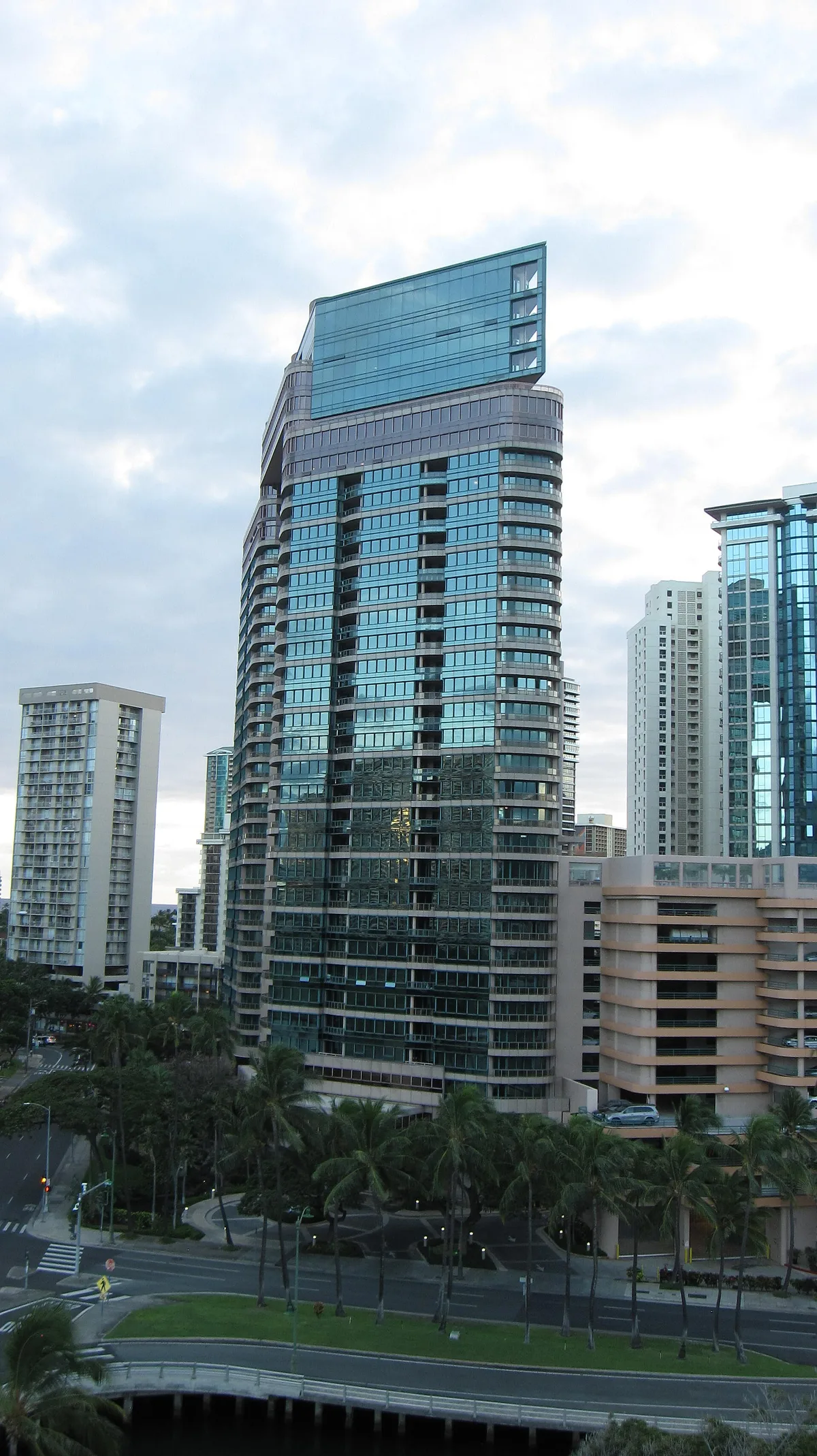
The practical facts for planning, all as listed by HONOLULU Magazine at the time of the announcement: Maze serves Wednesday to Sunday, 5:30 to 10:30 p.m., at 604 Ala Moana Blvd. in Kaka'ako. The window matters — a Monday or Tuesday arrival will not include it, so a Honolulu itinerary built around this dinner should place it mid-week or on a weekend.
The neighborhood placement also shapes the evening. Kaka'ako sits along the Ala Moana Boulevard corridor, and Downtown — home to Bar Leather Apron and BirdyGo — is a separate district. Pairing the two in one night means moving between neighborhoods; pairing Maze with its sibling venues across a longer stay is the more relaxed structure. Where to base yourself is its own decision, and our hotels coverage approaches it district by district.
One disclosure belongs in any honest treatment of this story: Tom Park is also director of growth and new initiatives at aio, the parent company of Frolic Hawai'i and HONOLULU Magazine. The magazine states this itself, and a traveler weighing the coverage should know it.
Why this recognition lasts beyond the news cycle
Lists cycle off; kitchens and credentials accumulate. A chef with two consecutive James Beard semifinalist nods, a group holding a national Best Bar award, and a critic's two-star review are durable facts that outlast any single year's 50. The Times list placement is the news; the underlying record is the reference. For more on how we cover dining scenes and destinations, see our food section.
What remains unknown is the usual: how long Maze holds its list position, since the Times rotates honorees annually, and what the restaurant's own menus and availability look like on any given week. Check the restaurant's current details before booking — the recognition is dated September 2026, and restaurant facts age quickly.