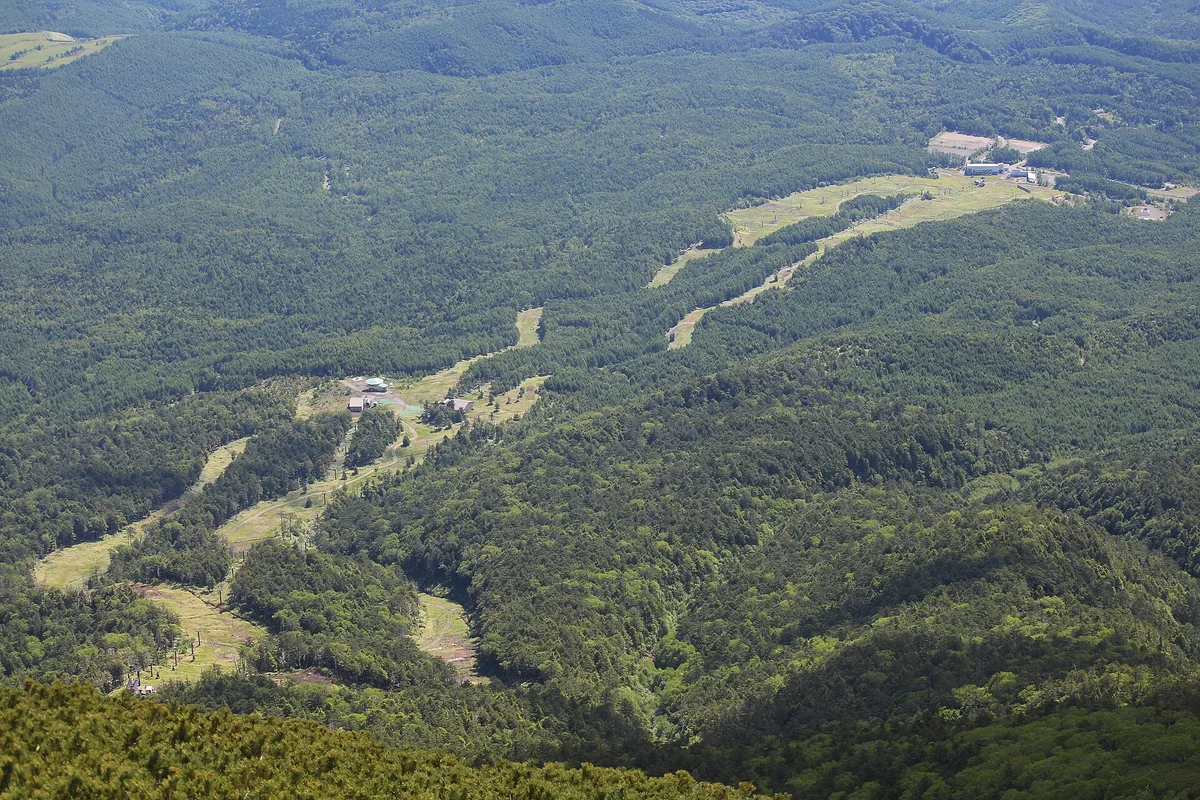
A ski town in July is a different place wearing the same address. The gondola that carried skiers at nine in the morning now hauls mountain bikes to the top of the same slope. The restaurants that turned tables in ninety minutes during February keep them open all evening. And the price of a room, in most resorts, drops well below what the same dates in winter command.
The short answer to why these towns are worth visiting without snow: the infrastructure built for winter does not go to sleep. Lifts run for hikers and riders, trails are marked and maintained, and the summer calendar of festivals and markets fills the squares that winter visitors only glimpse between runs. What changes is the pace, and for many travelers that is the point.
This guide explains what actually operates in ski towns during the warm months, what it costs relative to winter, and where the practical trade-offs fall. The picture varies by resort and by country, so treat it as a framework rather than a promise about any single village. For a worked example of an alpine town that lives year-round without cars, see our primer on Zermatt, the car-free village under the Matterhorn. Readers following this should also see Zermatt: A Primer for the Car-Free Alpine Village Under the Matterhorn.
What does "off-season" actually mean in a ski town?
It does not mean closed. In most purpose-built resorts, the winter and summer seasons are two separate businesses run by the same operators. The lift company sells uphill access to skiers from roughly late November to April, then reopens the same lifts to hikers and mountain bikers once the snow clears and the trails are inspected. Hotels, restaurants, and rental shops stay open through the gap or take short breaks for maintenance.
The term is a misnomer in another way: for the town itself, summer is a season, not an absence. Many resorts now book more overnight stays across July and August than they once did in any single winter month. What the off-season label really signals is lower demand, and with it lower prices, easier reservations, and quieter trails. The trade-off is weather risk. A summer storm can close a lift for a day in a way that a February cold snap rarely does.
Why do the lifts keep running in summer?
The reason is simple economics. A chairlift or gondola is enormously expensive to build and sits idle for half the year if it serves only skiers. Running it for summer visitors spreads that cost. As a result, most large resorts operate a selection of lifts, rarely all of them, for foot passengers and cyclists.
Skiing itself, as a discipline, depends entirely on that lift infrastructure. As Wikipedia explains in its overview of the sport, alpine skiing developed as a distinct branch only once ski lifts arrived in the late nineteenth and early twentieth centuries, because lifts removed the need to climb back uphill. The same hardware that made downhill skiing possible now makes lift-served summer hiking and biking possible, which is why the two seasons share a mountain so naturally.
Lift-served mountain biking deserves its own note. Resorts mark dedicated downhill trails, rent protective gear and full-suspension bikes at the base, and often sell a summer bike pass that mirrors a winter lift pass in structure. Riders take the lift up and ride marked trails down, repeating all day. For a visitor who does not ride, the same lifts simply function as cable cars to viewpoints and summit restaurants.
What fills the calendar when the snow is gone?
Summer programming in resort towns tends to cluster into a few reliable types. Music festivals are the most visible; many alpine and Rocky Mountain resorts built concert venues at the base of the slopes decades ago and program them weekly through the warm months. Farmers' markets take over the pedestrian streets that winter crowds compress. Trail-running and cycling races, from village fun-runs to stage events, bring a competitive energy that contrasts with winter's ski-race calendar.
Smaller traditions matter just as much to a visitor's experience. Outdoor cinemas, open-air church services on summits, weekly folk evenings, and guided wildflower walks are the kind of programming that only makes sense when the town has time to breathe. None of it requires a lift ticket. A traveler who books a resort village for the week and ignores the mountain entirely will still not run out of things to do.
Our analysis: the strongest off-season towns are those with a permanent population and a non-ski economy, because the summer program is built for residents first and visitors second. Resorts that exist purely for skiing can feel like film sets between seasons. Villages with schools, farms, and year-round trades keep their character when the last chair of the winter season has run.
How do prices and crowds compare to winter?
The pattern is consistent enough to plan around, though exact figures depend on the resort and the year. Broadly:
- Lodging: summer rates typically sit well below peak winter rates for the same rooms, with the deepest discounts outside school-holiday weeks.
- Lift access: a summer sightseeing or bike pass costs a fraction of a winter season pass or even a single winter day ticket.
- Dining: reservations are easier, and mountain restaurants that require winter bookings often take walk-ins.
- Crowds: weekends in July and August can still be busy, especially near festival dates, but midweek is quiet.
Two exceptions to the bargain-hunting instinct. First, festival weekends can price like winter weekends; check the town's event calendar before booking. Second, shoulder months, June and September in the northern hemisphere, offer the best combination of open lifts and thin crowds, but some high-altitude lifts and huts open only at the height of summer. When comparing destinations by season, the same logic applies as in our Cinque Terre primer on choosing the season that suits the villages: the right month matters more than the right town. This connects to our earlier piece, Cinque Terre: A Primer for the Five Villages and the Season That Suits Them.
What should you check before booking a summer ski-town trip?
Practical steps, in the order they matter:
- Lift operating dates. Find the lift company's official summer schedule. Not every lift runs daily, and some run weekends only in June and September.
- Trail status. High routes can hold snow into early summer, and some trails close temporarily for maintenance or wildlife management.
- Hotel openings. A minority of winter-focused lodges close for several weeks between seasons. Confirm your dates are inside the property's open period.
- Event calendar. A festival can be the reason to go or the reason to pick different dates, depending on how you feel about crowds.
- Transit. Summer bus and cable-car schedules in mountain regions often differ from winter timetables. Check the local transit authority rather than assuming.
One more habit worth adopting: book lodging with a cancellation option. Mountain weather and lift maintenance schedules are the two variables no booking site can promise, and a flexible rate removes most of the risk.
What this means for your trip
The evidence points one way. A ski town's summer is not a consolation for missing winter; it is the same mountain with a different customer, priced accordingly and programmed generously. If your priorities are trails, festivals, and space at the dinner table, the off-season is not a compromise but the better fit. If you need every lift running and guaranteed summit weather, aim for the middle of the summer season and check the operator's schedule before you commit.
What remains unknown from any general treatment like this one is the specifics: which lifts run where, and what a given village charges. Those answers live on each resort's own site, dated to the current season, and they are worth ten minutes of checking before any booking. The rest, the quieter streets, the cheaper rooms, the lift that doubles as a sightseeing ride, holds across the board.