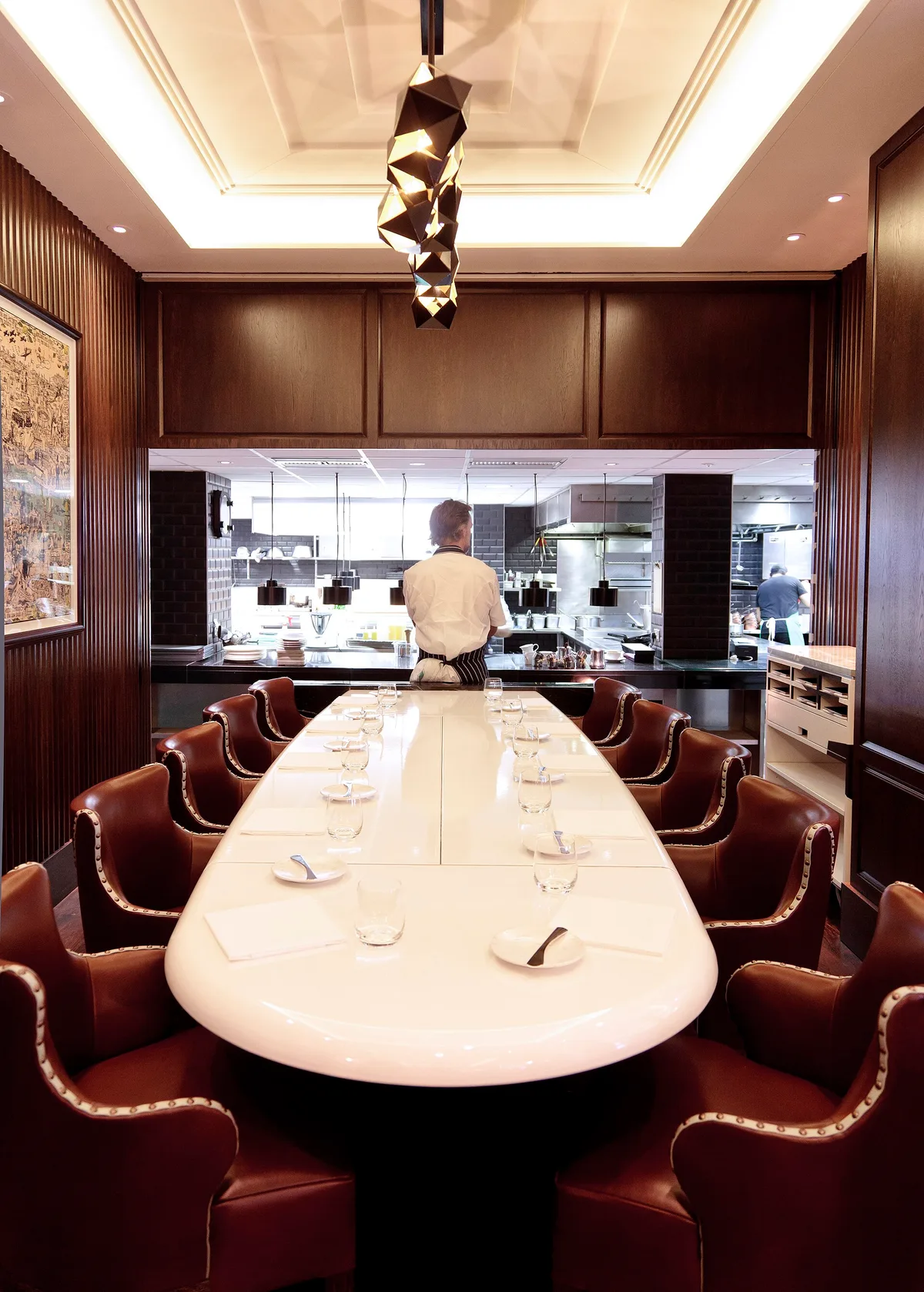
Farm-to-table is a sourcing claim. It points to fresh ingredients grown close to where they are eaten. Ideally, the kitchen buys them straight from the producer. On a strong menu it means named farms and seasonal changes. On a weak one it is decoration. The phrase covers a movement and a menu claim at once, so the details on the page decide.
This explainer keeps three tests for each claim: a named source, a date, and something a diner can check. Definitions come from Cambridge Dictionary and Wikipedia, both read in October 2026. The market standard comes from a U.S. Department of Agriculture page, read the same month. More dining coverage sits at the publication’s food desk.
What the Words Actually Say
A search for “farm to table meaning” turns up two ideas. Both matter. Cambridge Dictionary defines the food by distance: fresh ingredients grown or produced not far from where they are eaten. Wikipedia treats the phrase as a movement name. Its entry covers local food served at restaurants and bought from the producer where possible. That producer might be a winery, a brewery, a ranch, or a fishery. It need not be a farm at all. The movement also prizes traceability, summed up as knowing where the food comes from.
The Supply Chain Behind the Claim
The buying path can take several shapes. Wikipedia lists a direct sales relationship with a farm. It also lists a community-supported agriculture arrangement, a farmer’s market, a local distributor, or a restaurant growing its own food. Each shape shortens the distance between harvest and plate. It also cuts the number of hands involved. A kitchen that buys from named growers can say which field a carrot left, and when.
The markets themselves have a working definition. The U.S. Department of Agriculture’s National Farmers Market Directory sets a bar. It lists markets with two or more farm vendors selling products directly to customers at a common, recurrent location. Its entries carry locations, operating times, product offerings, and accepted forms of payment. A traveler can plan a market morning before leaving home.
Seasonality Is the Honest Tell
Seasonality sits at the center of the movement’s case. Wikipedia ties the rise of farm-to-table dining to shifting views on food safety, freshness, and small-farm economics. Advocates also cite the poor flavor of ingredients shipped from afar. The same entry supplies a sharp test for a menu. Restaurants often cannot source everything locally. Only some dishes, or only some ingredients, get the local tag. A kitchen that admits this reads as truthful. A menu that prints the label next to every dish, in every month, asks for doubt. This connects to our earlier piece, How to Read a Menu Before You Commit: Prices, Covers, and Service Charges Explained.
The same seasonal eye helps beyond dinner. It applies to how Europe drinks its coffee in its many café cultures, where milk, roast, and hour of day follow local habits.
How to Read a Menu Claim
Three checks separate strong claims from weak ones. First, look for names. A menu that lists its farms, ranches, or fisheries has tied its standing to suppliers. Second, watch the calendar. Dishes that change with the harvest match the movement’s stated logic. A fixed list of the same twelve items all year does not. Third, ask about the gaps. An honest kitchen says which items arrive from nearby and which ship in. None of this needs an industry contact. It needs a little attention at the table.
Conclusion: A Claim a Diner Can Check
Farm-to-table works best as a question rather than a promise. The question has clear parts. Where did this grow, who grew it, and when did it leave the field? The dictionary definition covers distance. The movement’s history covers seasonality and traceability. The market directory covers the ground level. A diner who reads menus with those checks in hand will find that the label means something again.