Massachusetts eats best by the map. The North Shore fries its clams, Boston bakes the cream pie that became the official state dessert, Cape Cod harvests the cranberry, and the Berkshire hills press cider from their orchards. Each region keeps its own table, and the seasons steer the menu, so a tasting trip rewards a plan built around one or two regions at a time.
The selections below are chosen for regional signature, easy access from Boston, and standing with travelers, as noted for the fall 2026 season. Start from the food collection for the wider city-by-city picture, then match a region to the days available. A long weekend covers the coast; the hills ask for one more day.
Searches for food massachusetts tend to end at the same short list, and the short list is right. What follows gives each item its home ground, with dates and named sources on the claims that carry them.
Boston: Cream Pie and a Famous Kitchen
The Boston cream pie is not a pie at all. Reference entries describe a sponge cake with a custard filling under chocolate, a name born when cakes and pies shared the same pans and the same words. The dessert carries a formal title, too: it was declared the official dessert of Massachusetts on December 12, 1996. Its creation is credited to the kitchen of the Parker House hotel in Boston, with estimates placing the recipe between 1834 and 1856. Bakeries across the city sell their own versions, and the slice pairs well with a walk through the nearby squares.
The North Shore: Fried Clams in Essex
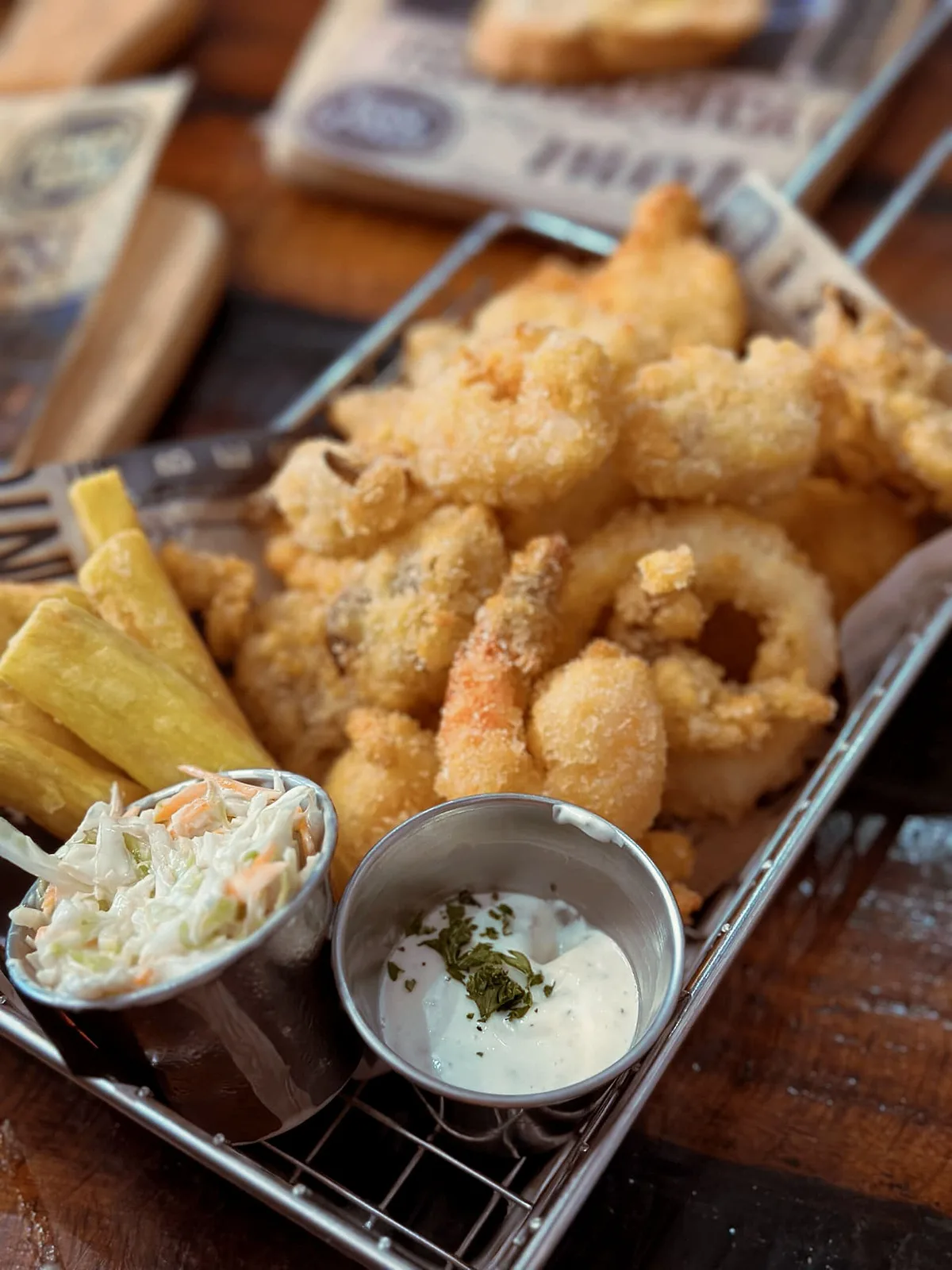
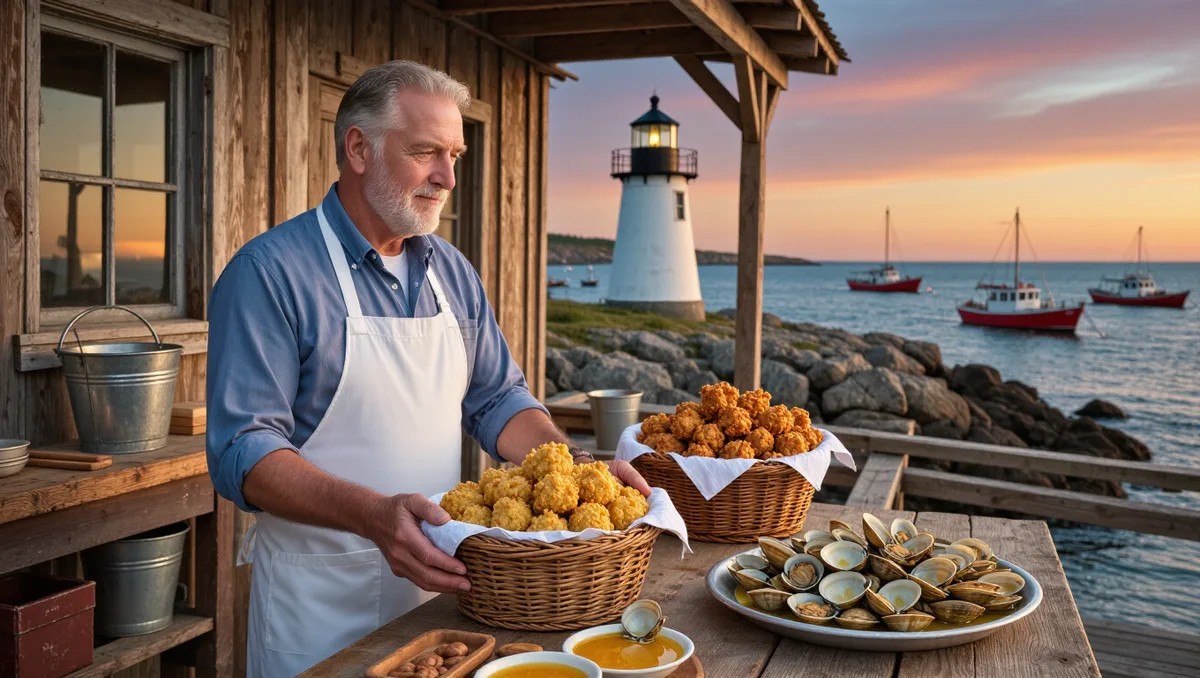
North of the city, the marsh towns set the table for shellfish. Fried clams, dipped in milk, floured, and deep-fried, are served at seaside clam shacks along the coast, and the clam roll packs them into a New England-style bun. The dish runs deep here: fried clams appear on an 1865 menu from the Parker House hotel, and the modern version is credited to Lawrence Woodman of Essex, whose family restaurant still serves the town. Order both whole clams and clam strips, split the difference, and let the tartar sauce settle the argument.
Cape Cod and the South Shore: The Cranberry Belt
The sandy belt south of Boston grows the state's signature fruit. An American Revolutionary War veteran, Henry Hall, first cultivated cranberries in the Cape Cod town of Dennis around 1816, and by the 1820s he was shipping berries to New York City and Boston. The crop still matters: as of 2024 world production figures, Wisconsin led, and Massachusetts stood among the four states named as major commercial cranberry crops. When the berries ripen, the bogs turn red, which is the sight worth timing a fall trip around. Farm stands along the routes sell the fresh crop beside the juice.
The Berkshires: Cider Country
West of the Connecticut River, the hills trade salt for orchards. The cider doughnut, flavored with cinnamon, nutmeg, and apple cider, is an autumn custom in the northeastern United States and a fixture at cider mills, and the Berkshires pour their share beside fresh jugs of pressing. Towns such as Stockbridge and Great Barrington frame the route with farm stands, general stores, and small kitchens that lean on what the orchards send down the road. The drive is the longest of the four regions, so planners should give it a full day and an early start.
Planning a Massachusetts Food Route
Two days serve the coast well: Boston for the cream pie, then Essex for clams, with a bog stop on the way home in fall. The Berkshires deserve their own window, ideally at peak color. Markets pull every region into one hall, and the guide to shopping a city food market covers the routine, from walking the stalls first to carrying small cash. Travelers who prefer to leave the car parked can pair Boston's bakeries with the North End and the harborwalk on foot.
Conclusion: A State Read Region by Region
Massachusetts rewards travelers who eat the map as written. Boston holds the dessert with the state title and the hotel that shaped it. Essex fries the clam that defines the shore. Cape Cod grows the berry that turned bog-red each fall, and the Berkshires press the cider that closes the day. Choose a region, date it to the season, and let the table do the teaching. This connects to our earlier piece, Halal on the Road: How Muslim Travelers Eat Well in Non-Muslim Cities.