The most reliable structure for a three- or four-day city break is one neighborhood per day: choose a district with a morning anchor sight, eat lunch and shop inside its boundaries, and end the day in or next to it — a plan that cuts transit time to near zero and turns the city from a checklist into a place. This guide explains how to pick the neighborhoods, how to run the day inside them, and where the method bends. The approach suits the compact historic centers this site covers; it is drawn from published district guides and city tourism-board walking itineraries as of January 2026.
This site publishes information, not professional travel advice; adapt the structure to your own pace and interests.
Why one district per day works
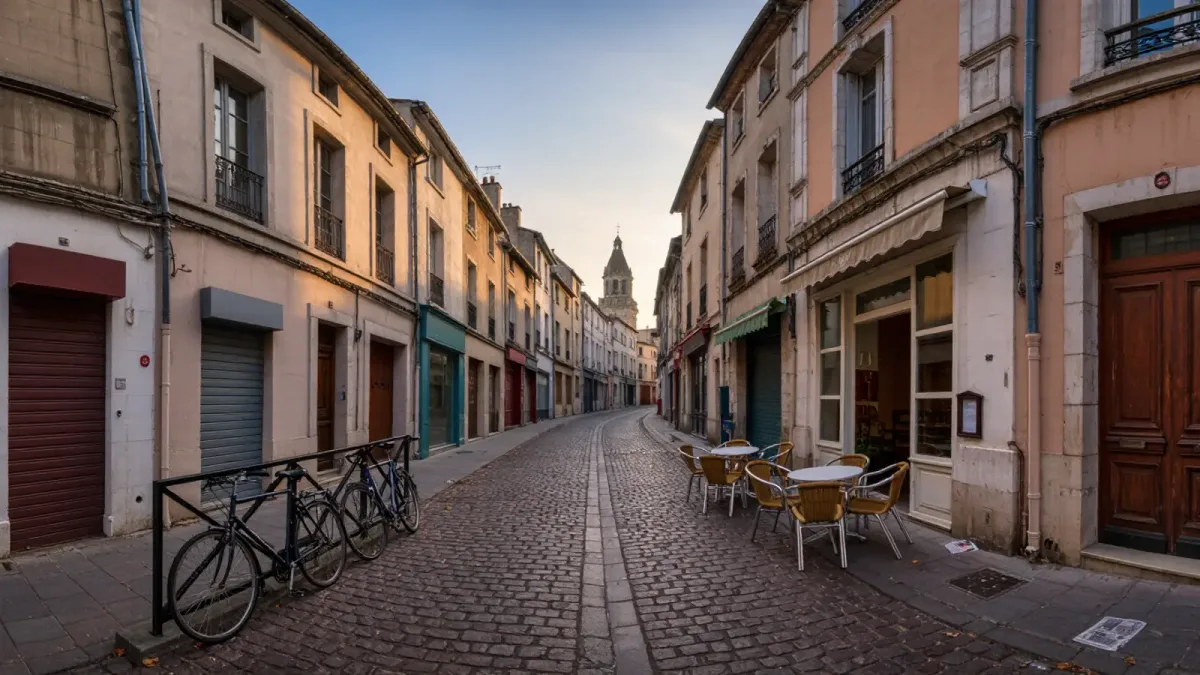
City breaks fail by fragmentation: a morning in one arrondissement, lunch in another, a museum across the river, and the day dissolves into métro rides. Compact cities reward concentration. Most historic districts in European cities measure 1.5–3 kilometers across — a 20–30 minute walk corner to corner — so a day inside one district means hours of browsing, sitting, and noticing rather than 40-minute transfers. The structure also matches how districts actually differ: each has its own market days, museum closures, and restaurant rhythms, and you only see that by staying long enough for the district to show it.
How do you choose which neighborhoods?
Three questions sort the choice. First, what is the anchor: pick districts with one unmissable sight or museum, and check its closure day — a district whose anchor closes on your only Tuesday is a Tuesday problem solved in advance. Second, what is the fit: a vintage-shopping district and a monument district serve different travelers, so match districts to what you actually came for rather than to a list. Third, what is the pairing: with three days, rank your districts and give the least essential one the half-day — usually combined with the islands, the old port, or whatever sits between your top two. A table helps:
| Trip length | Districts | Shape |
|---|---|---|
| 2 days | 1 full + 1 half | Anchor the half-day on arrival or departure |
| 3 days | 2 full + 1 half | Half-day district sits between the other two |
| 4 days | 3 full + 1 flex | Keep day 4 unplanned for weather or returns |
How should the day itself run?
Run the district against its own clock. Morning belongs to the anchor sight — museums and monuments are calmest at opening, and queues are shortest before mid-morning — then lunch inside the district, because leaving for a famous restaurant elsewhere is the first step back to fragmentation. The afternoon is for the district's surface layer: shops, markets, courtyards, a park, a church you had not planned on. Rest if the apartment or hotel is inside the district — one reason to sleep in the neighborhood you are touring. Evening stays local too: a district's cafés and bars around 19:00–21:00 are the most reliable window into its ordinary life, and the walk home is minutes.
Where does the method bend?
Three honest exceptions. Cities whose sights are scattered — a palace in the hills, a beach across the bay — need a transit day, and the method gives it one. Districts smaller than a kilometer across cannot carry a full day; merge them with the neighbor. And personal taste rules: if one museum you love takes four hours, that museum is its own day, and the surrounding district fills the morning and evening around it. The structure serves the trip, not the reverse — but for the compact city centers that make the best breaks, one neighborhood a day is the plan that survives contact with the city.