In most major European and North American cities a certified halal dinner sits within a transit ride — the working questions are certification levels, the seafood-and-vegetable fallback, and hotel breakfast.
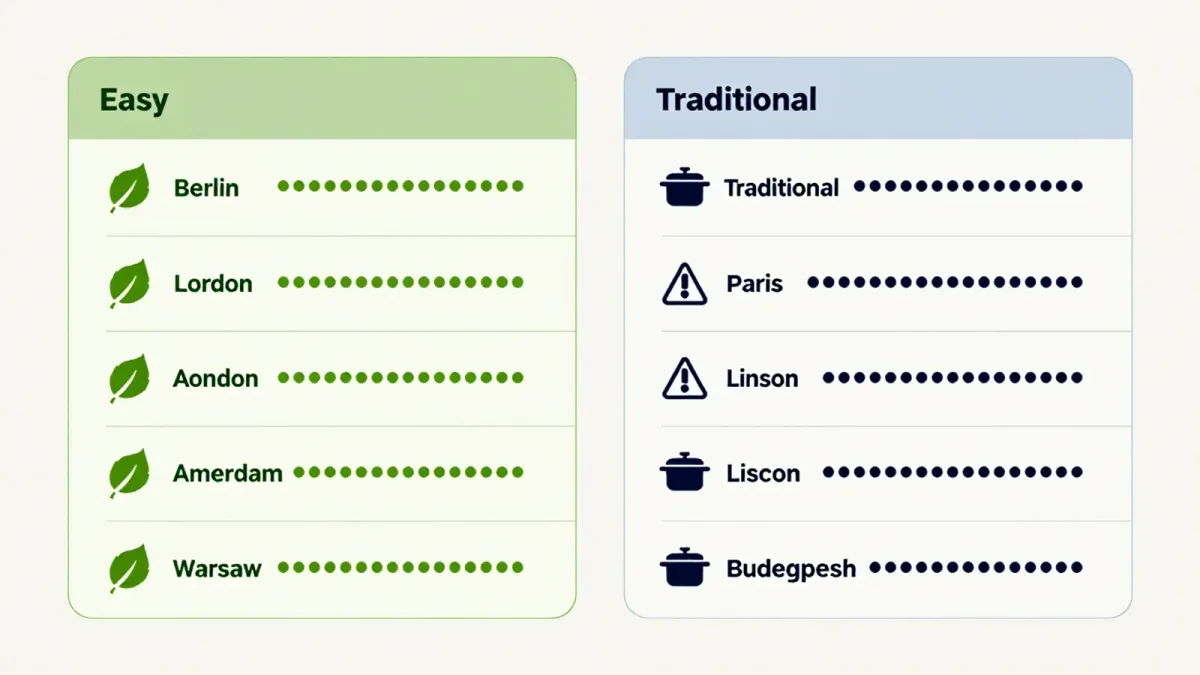
Berlin and London run dedicated vegetarian restaurants by the hundred, while traditional kitchens from Lisbon to Budapest build menus on meat stock — the vocabulary and the strategy differ by country.
Five questions — what is it, how big, how spicy, what is in it, how is it eaten — turn any untranslatable menu line into an informed order, and no waiter minds being asked the first one.
The same cup means different things across Europe — a three-minute standing shot in Milan, a four-hour chair in Vienna, a pastry-and-refill ritual in Stockholm — and the local order sheet is easy to learn.
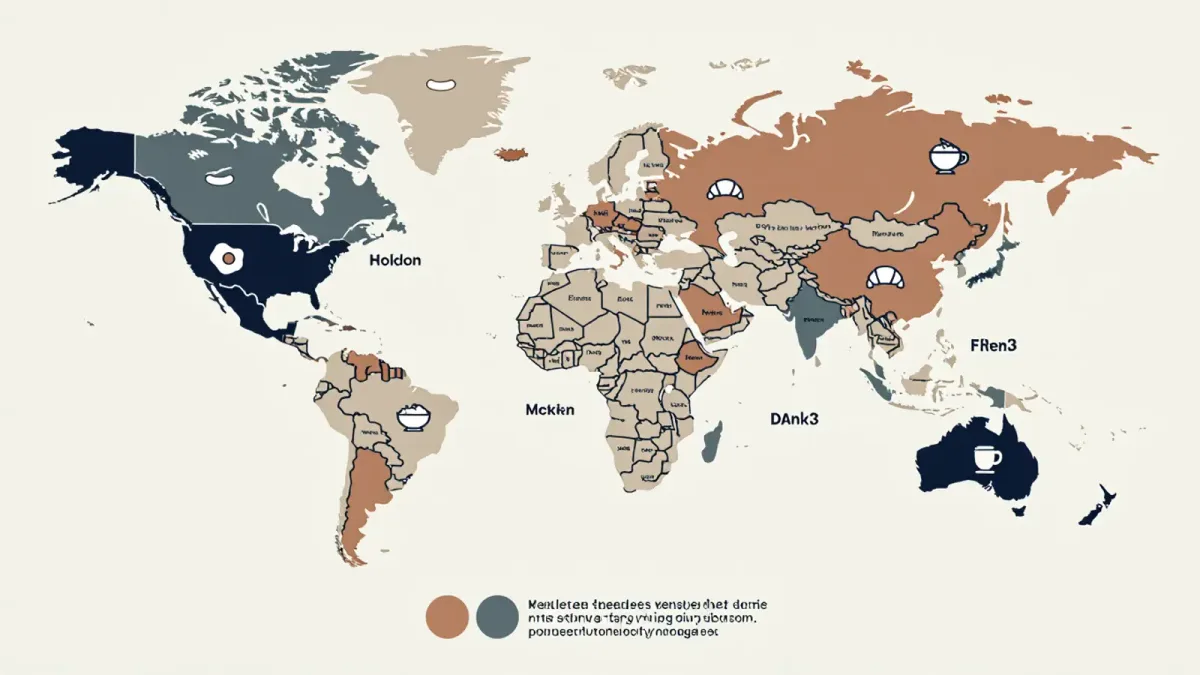
From Turkish tea and simit to Japanese rice and miso, the world's breakfasts split into three families — grain-based, savory-protein, and light-sweet — and each says where to eat the first meal of the day.
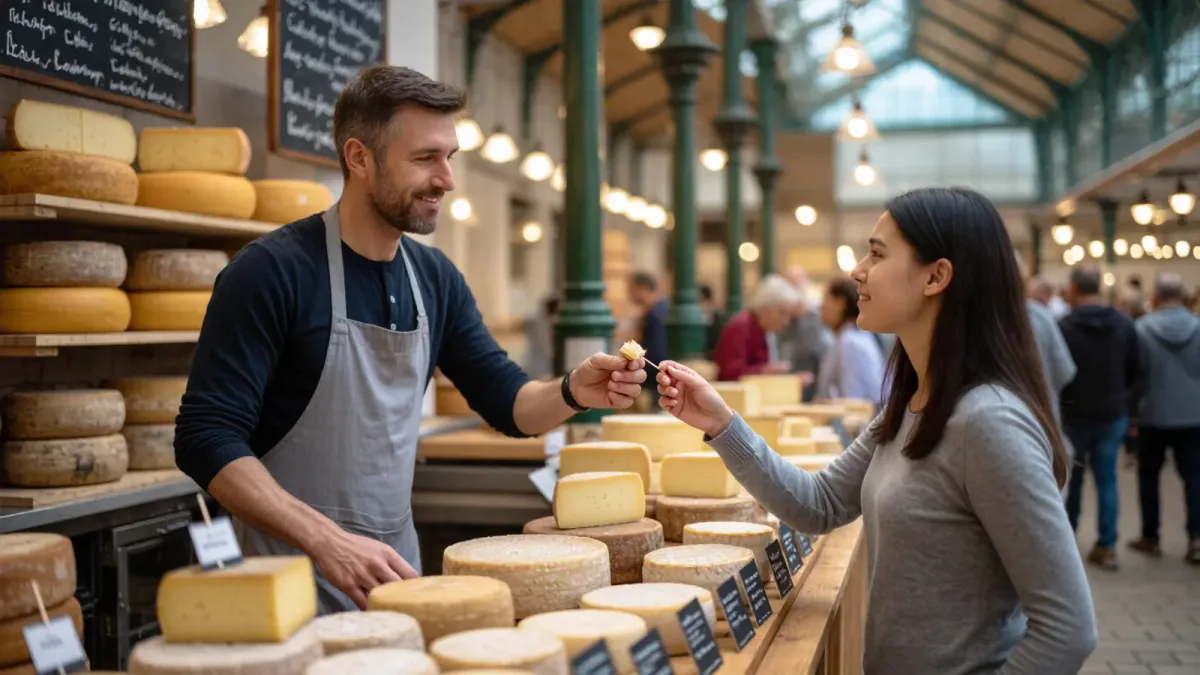
The working rhythm of a covered market is simple: go in the morning, carry cash, let vendors lead the tasting, and buy small — the market rewards repeat visits, not big first baskets.